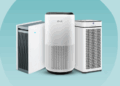
Exploring the world of air purifiers, this guide offers valuable insights into choosing the best air purifier for your needs. With a focus on key factors and top recommendations, this overview sets the stage for a deep dive into the realm of air purifier recommendations.
As we delve further, we will uncover the different types of air purifiers, factors to consider when selecting one, the best options for specific needs, and essential maintenance tips to keep your air purifier running smoothly.
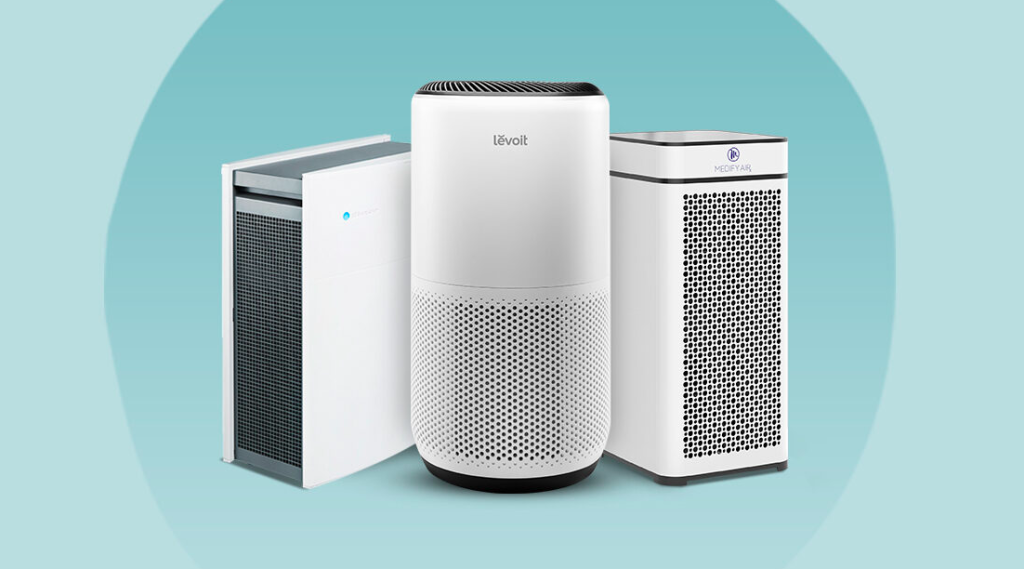
Types of air purifiers
When it comes to air purifiers, there are several types available on the market, each with its own set of features and functions to help improve indoor air quality.
HEPA Air Purifiers
- HEPA air purifiers use High-Efficiency Particulate Air filters to trap 99.97% of particles as small as 0.3 microns.
- These filters are effective in removing dust, pollen, mold spores, pet dander, and other allergens from the air.
- HEPA air purifiers are recommended for individuals with allergies or respiratory conditions.
Activated Carbon Air Purifiers
- Activated carbon air purifiers use carbon filters to absorb odors, gases, and volatile organic compounds (VOCs) from the air.
- These filters are effective in eliminating smoke, cooking odors, and chemical fumes, making the air fresher and cleaner.
- Activated carbon air purifiers are suitable for households with smokers or strong odors.
Ionizer Air Purifiers
- Ionizer air purifiers release negatively charged ions into the air, which attach to positively charged particles like dust and allergens, causing them to fall to the ground.
- These purifiers can help reduce airborne particles but may produce ozone as a byproduct, which can be a concern for individuals with respiratory issues.
- Ionizer air purifiers are often used in combination with other filtration technologies for optimal air purification.
UV Air Purifiers
- UV air purifiers use ultraviolet light to kill bacteria, viruses, and other microorganisms present in the air.
- These purifiers are effective in sterilizing the air and preventing the spread of airborne illnesses.
- UV air purifiers are commonly used in hospitals, medical facilities, and high-risk environments.
Factors to consider when choosing an air purifier
When selecting an air purifier, there are several important factors to consider to ensure it meets your needs and effectively purifies the air in your space.
Room Size Considerations
- It is crucial to consider the size of the room where the air purifier will be used. Different air purifiers are designed for specific room sizes, so choosing one that matches the square footage of your room is essential for optimal performance.
- Make sure to check the manufacturer's recommendations on room size coverage to ensure the air purifier can effectively clean the air in your space.
CADR (Clean Air Delivery Rate)
- CADR is a measurement that indicates how quickly an air purifier can clean the air in a specific room size. The higher the CADR, the more effective the air purifier is at removing pollutants from the air.
- When choosing an air purifier, look for one with a CADR rating that matches the size of the room where it will be used to ensure efficient air purification.
HEPA Filters
- HEPA (High-Efficiency Particulate Air) filters are highly effective at capturing small particles such as dust, pollen, pet dander, and other allergens. They can remove up to 99.97% of particles as small as 0.3 microns in size.
- When selecting an air purifier, opt for one that features a HEPA filter to ensure thorough air purification and improved air quality in your home or office.
Best air purifiers for specific needs
When it comes to choosing an air purifier, it is important to consider your specific needs. Here are some recommendations for the best air purifiers tailored to different requirements.
Air Purifiers for Allergies
For those suffering from allergies, it is crucial to have an air purifier that can effectively remove allergens such as pollen, dust mites, and pet dander. Some top recommendations for air purifiers for allergies include:
- HEPA Air Purifiers: High-Efficiency Particulate Air (HEPA) filters are known for their ability to capture 99.97% of particles as small as 0.3 microns, making them ideal for allergy sufferers.
- Allergy Air Purifiers: Specifically designed to target common allergens, these air purifiers often come equipped with multiple filtration stages to ensure thorough purification.
- Winix HR900 Ultimate Pet True HEPA Air Purifier: This air purifier not only captures pet dander and other allergens but also has a washable Advanced Odor Control carbon filter to eliminate pet odors.
Air Purifiers for Pet Owners
Pet owners face the challenge of dealing with pet dander, fur, and odors in their homes. Here are some air purifiers that are well-suited for pet owners:
- Winix 5500-2 Air Purifier: Known for its efficient pet dander removal, this air purifier also features a washable AOC carbon filter to tackle pet odors.
- Rabbit Air MinusA2: This customizable air purifier offers specialized filters for pet allergies and odors, making it a great choice for pet owners seeking clean air.
- Honeywell HPA300 True HEPA Air Purifier: With a True HEPA filter and activated carbon pre-filter, this air purifier is effective in capturing pet dander and neutralizing pet odors.
Air Purifiers for Smoke and Odors
Removing smoke and odors from the air requires air purifiers with advanced filtration systems. Here are some top air purifiers for eliminating smoke and odors:
- Blueair Classic 480i Air Purifier: Equipped with HEPASilent technology, this air purifier effectively removes smoke particles and odors while operating quietly.
- Coway Airmega 400 Smart Air Purifier: With dual HEPA filters and an activated carbon filter, this air purifier is highly efficient in clearing smoke and odors from the air.
- Levoit LV-PUR131S Air Purifier: This air purifier features a True HEPA filter and activated carbon filter to combat smoke particles and odors, making it a great choice for smoke-prone environments.
Maintenance tips for air purifiers
Regular maintenance is crucial to ensure that your air purifier continues to function effectively and efficiently. Here are some key maintenance tips to keep your air purifier in top condition.
Replacing Filters
- Check the manufacturer's guidelines to determine how often filters need to be replaced. Typically, HEPA filters should be replaced every 6 to 12 months, while carbon filters may need to be changed every 3 to 6 months.
- Some air purifiers come with indicator lights that signal when it's time to replace the filter. Pay attention to these indicators to maintain optimal air quality.
- Make sure to use the correct type of filter recommended by the manufacturer to ensure proper functionality.
Cleaning the Exterior and Interior
- Regularly clean the exterior of the air purifier with a soft, damp cloth to remove dust and dirt buildup. Avoid using harsh chemicals that may damage the unit.
- Remove and clean the pre-filter if your air purifier has one. Wash it with water and mild detergent, then allow it to dry completely before reinstalling.
- Occasionally clean the interior components of the air purifier, such as the fan and vents, to prevent blockages and maintain airflow. Refer to the user manual for specific instructions on how to clean the interior components safely.
Final Conclusion
In conclusion, armed with this knowledge, you are now equipped to make an informed decision when it comes to choosing the ideal air purifier for your home or office. From allergies to pet odors, smoke, and beyond, a breath of fresh, clean air is just a purifier away.
Frequently Asked Questions
How often should I replace the filters in my air purifier?
It is recommended to replace filters every 6-12 months, depending on the model and usage.
Are ionizer air purifiers safe for use around pets?
Ionizer purifiers can be safe for pets, but it's best to consult with a veterinarian if you have concerns.
Do air purifiers eliminate all odors from the air?
While air purifiers can help reduce odors, they may not completely eliminate strong or persistent smells.
Can air purifiers help with asthma symptoms?
HEPA air purifiers can be beneficial for asthma sufferers by removing allergens from the air.