Starting off with Window Replacement vs Repair: What’s More Cost-Effective?, this introduction aims to grab the reader's attention and provide a brief overview of the comparison between replacing and repairing windows in terms of cost-effectiveness.
The following paragraph will delve deeper into the specifics of the topic, shedding light on the factors that influence the financial aspects of window replacement versus repair.
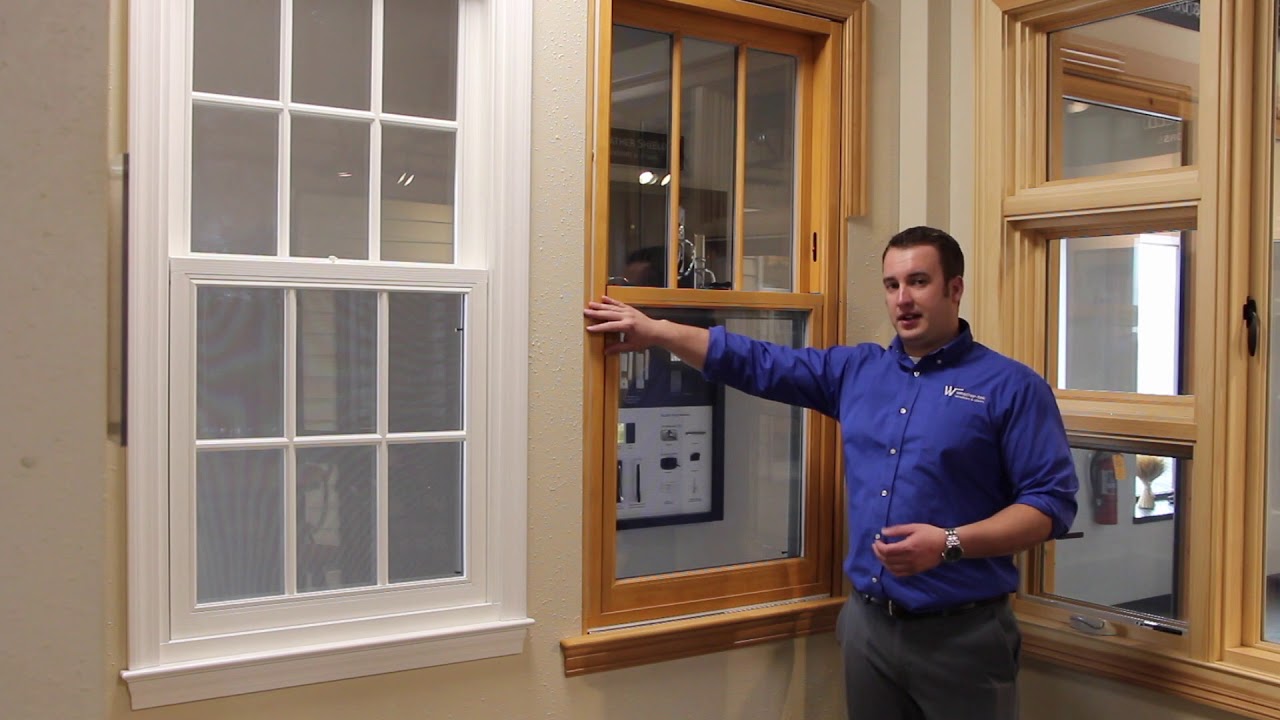
Window Replacement vs Repair: What’s More Cost-Effective?
When faced with the decision between replacing or repairing a window, cost-effectiveness plays a crucial role in determining the best course of action. Let's delve into the comparison of total costs, factors influencing cost-effectiveness, and long-term financial implications of choosing between window replacement and repair.
Total Costs Involved
When considering window replacement, the total costs involve not only the price of the new window itself but also installation fees. On the other hand, window repair costs typically include labor charges and materials for fixing the existing window. It is essential to weigh these expenses carefully to determine the most cost-effective option for your specific situation.
Factors Influencing Cost-Effectiveness
- Extent of Damage: The extent of damage to the window plays a significant role in deciding whether repair is a viable option. Minor damages are usually more cost-effective to repair, while extensive damage might necessitate a full replacement.
- Energy Efficiency: Upgrading to energy-efficient windows during replacement can lead to long-term cost savings on energy bills, making replacement a more financially sound investment in the long run.
- Window Age: Older windows may require frequent repairs, leading to cumulative costs that could surpass the expense of replacement over time.
Long-Term Financial Implications
Choosing between window replacement and repair can have long-term financial implications. While repair may seem more cost-effective in the short term, frequent repairs can add up over time, making replacement a more economical choice in the long run. Additionally, energy-efficient replacement windows can enhance the value of your home and lead to energy savings, further justifying the initial investment.
Quality and Durability
When it comes to deciding between window replacement and repair, one crucial factor to consider is the quality and durability of the outcome. Let's delve into how these aspects impact the overall cost-effectiveness of the decision.
Quality Differences
- Replacing a window often results in a brand-new unit with updated materials and technology, ensuring higher quality and improved energy efficiency.
- Repairing a window may fix the immediate issue, but it might not address underlying problems or provide the same level of quality as a replacement.
- Quality variations can also depend on the expertise of the professionals performing the replacement or repair.
Durability Variances
- Replacing a window typically offers a longer lifespan, as new windows are designed to withstand various weather conditions and wear and tear over time.
- Repairing a window might prolong its usability, but the durability could be compromised, leading to more frequent repairs in the future.
- The quality of materials used in replacement or repair also plays a significant role in determining durability.
Energy Efficiency
When it comes to the energy efficiency of windows, the decision between replacement and repair can have a significant impact. Let's delve into how energy savings factor into the cost-effectiveness of these options.
Energy-Efficient Features of Window Replacement
- Double or Triple Pane Glass: New windows often come with double or triple pane glass, which provides better insulation and reduces heat loss or gain, leading to energy savings.
- Low-E Coatings: These coatings help reflect infrared light, keeping your home cooler in the summer and warmer in the winter, thus reducing the need for heating and cooling.
- Gas Fills: Some replacement windows are filled with inert gases like argon or krypton between the panes, which further enhances insulation and energy efficiency.
- Improved Frames: Upgraded window frames made from materials like vinyl, fiberglass, or wood composite offer better thermal performance, reducing energy consumption.
Environmental Impact
When considering the environmental impact of window replacement versus repair, it is important to note that both options have implications for sustainability efforts. The choice between replacement and repair can significantly affect the overall carbon footprint of a building.
Eco-Friendly Options
- Opt for energy-efficient windows made from sustainable materials such as wood or fiberglass. These materials are renewable and have a lower environmental impact compared to traditional vinyl or aluminum.
- Consider repairing existing windows by replacing only damaged components like seals or weather stripping instead of replacing the entire window. This helps reduce waste and extends the lifespan of the window.
- Choose windows with low-E coatings or double-pane glass to improve energy efficiency and reduce heating and cooling costs. This not only benefits the environment but also lowers energy consumption.
- Explore the option of installing window films or shades to improve insulation and reduce the need for artificial heating or cooling. This simple addition can have a significant impact on energy savings and environmental preservation.
- Properly dispose of old windows by recycling materials whenever possible. Many components of windows, such as glass and metal, can be recycled to minimize waste and reduce the environmental impact of window replacement projects.
Final Summary
In conclusion, this discussion on Window Replacement vs Repair: What’s More Cost-Effective? has highlighted the key points to consider when deciding between replacing and repairing windows, offering insight into the long-term implications of each choice.
Questions and Answers
Is it always more cost-effective to replace windows rather than repair them?
It depends on various factors such as the extent of damage, energy efficiency concerns, and long-term durability. In some cases, repair might be a more economical option.
Are there specific features in window replacement that contribute to energy efficiency?
Yes, modern window replacements often come with features like double or triple glazing, low-E coatings, and insulated frames to enhance energy efficiency.
How can choosing between window replacement and repair impact sustainability efforts?
Opting for eco-friendly materials and energy-efficient windows during replacement or repair can significantly reduce the environmental impact and contribute to sustainability goals.