As Interior Design Tips to Instantly Elevate Any Room takes center stage, this opening passage beckons readers with casual formal language style into a world crafted with good knowledge, ensuring a reading experience that is both absorbing and distinctly original.
Interior design plays a crucial role in transforming a space, impacting both the mood and functionality of a room. By incorporating good design principles, any room can be elevated instantly.
Introduction to Interior Design Tips
Interior design is the art and science of enhancing the interior of a space to achieve a more aesthetically pleasing and functional environment. It involves creating a harmonious balance of color, texture, furniture, lighting, and decor to transform a room into a beautiful and inviting space.
Good interior design can significantly impact the mood, ambiance, and functionality of a room, making it more comfortable and enjoyable to spend time in.
Impact of Interior Design on Mood and Functionality
Interior design has the power to influence how we feel and behave in a space. By carefully selecting colors, textures, and furniture pieces, designers can create a calming, energizing, or cozy atmosphere to suit the purpose of the room. Additionally, the layout and arrangement of furniture can optimize the functionality of a space, making it more practical and efficient for daily activities.
- Choosing a color palette that evokes the desired mood, such as serene blues for a relaxing bedroom or vibrant yellows for a cheerful living room.
- Utilizing lighting to create ambiance and highlight key features in the room, such as accent lighting to showcase artwork or task lighting for reading areas.
- Organizing furniture to promote flow and maximize space, ensuring that each piece serves a purpose and enhances the overall design.
Color Schemes and Palettes
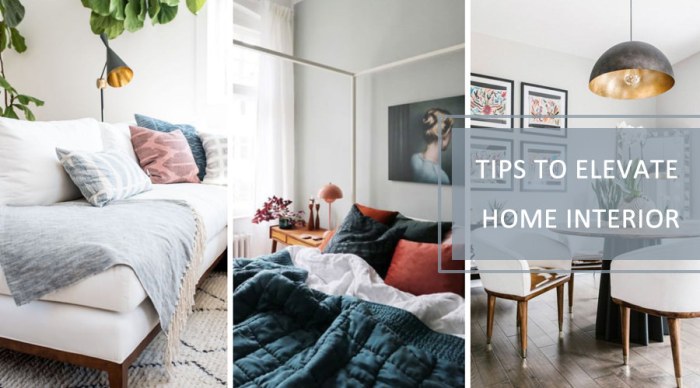
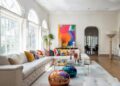
Choosing the right color schemes is crucial in interior design as colors can greatly impact the perception of space and mood in a room. The colors you choose can make a small room feel larger, create a cozy atmosphere, or add a touch of sophistication.
Complementary Color Palettes
- Blue and Orange: The cool tones of blue complement the warmth of orange, creating a vibrant and energetic contrast.
- Green and Pink: This refreshing combination brings a sense of nature indoors, evoking feelings of tranquility and balance.
- Purple and Yellow: Pairing these bold colors together can create a luxurious and regal look, perfect for adding a touch of drama to a room.
Furniture Placement and Arrangement
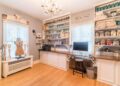
When it comes to interior design, furniture placement plays a crucial role in maximizing space and creating a harmonious flow within a room. Proper arrangement of furniture can transform the look and feel of a space, making it more functional and visually appealing.
Maximizing Space and Flow
To make the most of the available space in a room, consider the following tips:
- Start by measuring the dimensions of the room and the furniture to ensure a proper fit.
- Place larger pieces of furniture against the walls to open up the center of the room.
- Create distinct zones within the room for different functions, such as a seating area, work area, or entertainment space.
Considering Traffic Flow and Focal Points
When arranging furniture, it is essential to consider the traffic flow and focal points in the room:
- Leave enough space for easy movement around the furniture, ensuring clear pathways from one area to another.
- Arrange furniture to highlight focal points such as a fireplace, large window, or piece of art.
- Avoid blocking doorways and windows with furniture to maintain a sense of openness and connectivity.
Creating Balance and Harmony
To achieve balance and harmony in furniture arrangements, keep the following in mind:
- Balance larger pieces of furniture with smaller ones to create visual interest and prevent the room from feeling overcrowded.
- Distribute the weight of furniture evenly throughout the room to maintain a sense of equilibrium.
- Use a mix of furniture styles and shapes to add diversity and personality to the space.
Lighting Techniques
Lighting plays a crucial role in setting the mood and ambiance of a room. It can make a space feel cozy, spacious, vibrant, or relaxing depending on how it is utilized.
Types of Lighting
- Ambient Lighting: This is the general lighting that illuminates the entire room evenly. It sets the overall mood and provides a base level of brightness.
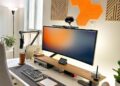
- Task Lighting: Task lighting is focused on specific areas where activities like reading, cooking, or working take place. It provides concentrated light for better visibility and functionality.
- Accent Lighting: Accent lighting is used to highlight specific features or areas in a room, such as artwork, architectural details, or plants. It adds depth and visual interest to the space.
Layering Lighting Effectively
Layering different types of lighting is key to creating a well-lit and inviting space. Here are some tips to help you achieve a balanced and harmonious lighting design:
- Start with ambient lighting to establish the base level of brightness in the room.
- Add task lighting in areas where you need focused illumination, such as over a work desk or kitchen counter.
- Incorporate accent lighting to highlight focal points and create visual interest. This can be achieved through track lighting, wall sconces, or table lamps.
- Consider the color temperature of the light bulbs to create the desired atmosphere. Warmer tones can make a space feel cozy, while cooler tones are more energizing.
- Use dimmer switches to adjust the intensity of the light according to the time of day and activities taking place in the room.
- Don't forget natural light! Maximize natural light sources by keeping windows clear of obstructions and using light-filtering curtains or blinds.
Textures and Patterns
Adding textures and patterns to a room can significantly enhance its overall look and feel. They play a crucial role in adding depth, visual interest, and personality to a space. When combined thoughtfully, textures and patterns can create a cohesive and stylish interior design.
Mixing Textures and Patterns
When mixing textures and patterns, it's essential to consider the scale, color, and style of each element. Start by choosing a dominant texture or pattern as a focal point and complement it with smaller-scale textures or patterns. Mixing different textures like smooth, rough, shiny, and matte can add dimension to the room.
Combining Textures and Patterns
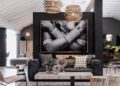
For a stylish interior, consider combining different textures and patterns such as pairing a velvet sofa with a geometric patterned rug or mixing a chunky knit throw with a floral print accent chair. Mixing natural textures like wood and stone with a bold patterned wallpaper can create a balanced and visually appealing space.
Final Review
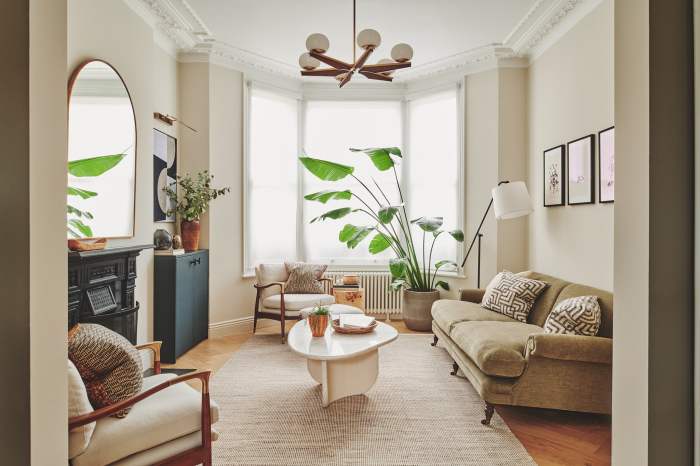
In conclusion, these Interior Design Tips offer a blueprint for creating a space that is not only aesthetically pleasing but also functional and harmonious. By focusing on color schemes, furniture arrangement, lighting techniques, and textures, you can transform any room into a stylish and inviting sanctuary.
FAQ Explained
How important is interior design in transforming a space?
Interior design is crucial as it can completely change the look and feel of a room, enhancing its functionality and overall appeal.
What are some examples of complementary color palettes that work well together?
Some examples include blue and orange, green and purple, and yellow and gray. These combinations create a harmonious and visually appealing look.
Why is lighting important in interior design?
Lighting can influence the ambiance of a room, highlighting its features and setting the mood. By using different types of lighting strategically, you can create a well-lit and inviting space.