Delving into How to Design Open-Plan Interiors Without Losing Flow, this introduction immerses readers in a unique and compelling narrative, with a casual formal language style that is both engaging and thought-provoking from the very first sentence.
In the following paragraphs, we will explore various aspects of creating open-plan interiors that maintain a seamless flow while maximizing functionality and aesthetics.
Importance of Flow in Open-Plan Interiors
In interior design, the concept of flow refers to the seamless movement and visual continuity within a space. It involves the arrangement of furniture, partitions, and decorative elements in a way that allows for easy navigation and a harmonious connection between different areas.
Impact on Functionality
Flow plays a crucial role in open-plan spaces as it directly impacts the functionality and usability of the area. A well-designed flow can enhance the overall experience of the space, making it more inviting, comfortable, and efficient for occupants.
- Optimal Traffic Flow: Proper flow ensures that there are clear pathways for movement, preventing any obstructions or awkward corners that can impede circulation.
- Visual Continuity: A cohesive flow helps create a sense of unity between different zones within an open-plan layout, promoting a seamless transition from one area to another.
- Flexible Use of Space: By maintaining a good flow, open-plan interiors can offer versatility and adaptability in terms of how the space is used, allowing for various activities to coexist harmoniously.
Benefits of Maintaining Flow
There are several benefits to ensuring that flow is maintained in the design of open-plan interiors:
- Enhanced Comfort: A well-thought-out flow contributes to a more comfortable and user-friendly environment, reducing stress and promoting a sense of well-being.
- Improved Functionality: Smooth flow enhances the functionality of the space, making it easier to navigate and utilize different areas for their intended purposes.
- Aesthetically Pleasing: Good flow creates a visually appealing space, where the eye is naturally guided through the layout, leading to a more harmonious and balanced design.
Utilizing Color and Lighting
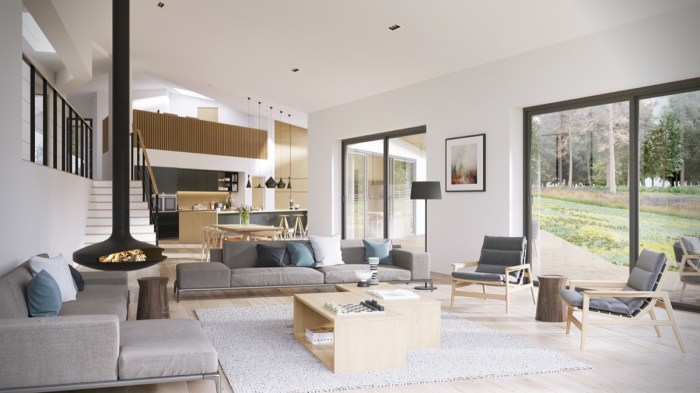
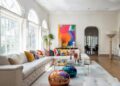
When designing open-plan interiors, the use of color schemes can significantly enhance the flow of the space. Colors play a crucial role in defining different zones within an open floor plan while maintaining a sense of cohesion throughout.
Lighting is equally important in creating a cohesive flow in open-plan interiors. Proper lighting can help delineate different areas, create ambiance, and highlight architectural features. It can also impact the perception of space and influence the overall mood of the room.
Role of Color in Enhancing Flow
- Choose a cohesive color palette: Select colors that complement each other and create a harmonious flow from one area to another.
- Use accent colors strategically: Incorporate pops of color to define specific areas or draw attention to focal points, ensuring a balanced distribution throughout the space.
- Consider the psychological effects of color: Warm tones can create a cozy atmosphere, while cool tones can make a space feel more open and airy. Be mindful of the emotions different colors evoke.
Importance of Lighting in Creating Cohesion
- Layer different types of lighting: Combine ambient, task, and accent lighting to provide adequate illumination and create depth within the space.
- Utilize natural light: Maximize natural light sources to brighten up the interior and establish a connection with the outdoors, enhancing the sense of flow.
- Install dimmers and adjustable fixtures: Control the intensity of light to suit different activities and moods, allowing for flexibility in the space.
Furniture Arrangement and Spatial Division
When designing open-plan interiors, furniture arrangement plays a crucial role in maintaining flow and functionality. Proper spatial division can help define different areas within the space while ensuring a cohesive and harmonious look. Here, we will explore strategies for arranging furniture to enhance flow and create visual separation without compromising the openness of the layout.
Strategies for Furniture Arrangement
- Consider the traffic flow: Arrange furniture in a way that allows for easy movement throughout the space. Avoid blocking pathways or creating obstacles that disrupt the natural flow.
- Create zones: Divide the open-plan layout into distinct zones for different activities, such as a living area, dining space, and workspace. Use furniture placement to delineate these zones effectively.
- Use area rugs: Area rugs can help define specific areas within the open-plan layout. Place rugs strategically under furniture groupings to visually separate different zones.
Visual Separation Techniques
- Utilize different furniture heights: Mix and match furniture pieces of varying heights to create visual interest and separation. Taller items can act as dividers without closing off the space.
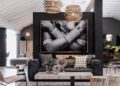
- Play with textures and materials: Incorporate a variety of textures and materials in your furniture selections to add depth and dimension to the space. This can help create visual separation while maintaining a cohesive look.
- Opt for open shelving: Open shelving units can provide storage and display opportunities while also acting as subtle room dividers. They allow light to pass through, preserving the openness of the layout.
Incorporating Storage Solutions
When designing open-plan interiors, incorporating storage solutions is essential to maintain a clutter-free environment and keep the space organized. By strategically integrating storage options, you can ensure that everything has its place, without compromising the flow of the area.
Creative Integration of Storage
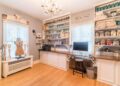
One creative way to integrate storage without disrupting the flow of the space is by using built-in furniture pieces. For example, incorporating floor-to-ceiling shelves or cabinets can provide ample storage space while also serving as a design element in the room.
Additionally, utilizing under-stair storage, hidden compartments, or multifunctional furniture pieces like ottomans with hidden storage can help maximize space without sacrificing style.
Selecting Multifunctional Furniture
When selecting furniture pieces for open-plan interiors, opt for items that offer efficient storage solutions. Look for coffee tables with built-in drawers, sofas with storage compartments, or beds with under-bed drawers. By choosing multifunctional furniture, you can make the most of the available space while keeping your belongings organized and easily accessible.
Flooring and Material Selection
When designing open-plan interiors, flooring choices play a crucial role in the overall flow of the space. The right flooring can enhance the connectivity between different areas while creating a cohesive design aesthetic.
Impact of Flooring Choices
The type of flooring you choose can significantly impact the flow of open-plan interiors. For example, using the same flooring material throughout the space can create a sense of continuity and openness. On the other hand, using different flooring materials for distinct zones can help define separate areas within the open plan.
Importance of Material Selection
Material selection is key to achieving a cohesive design aesthetic in open-plan interiors. The materials used for flooring should complement the overall style and theme of the space. For instance, hardwood floors can add warmth and sophistication, while tiles or concrete floors can bring a modern and industrial feel.
Guidance on Choosing Flooring Materials
- Consider the traffic flow: Choose durable flooring materials for high-traffic areas to ensure longevity and easy maintenance.
- Think about visual continuity: Opt for flooring materials that visually connect different areas within the open plan to create a seamless flow.
- Balance texture and color: Mix and match flooring materials with varying textures and colors to add visual interest and depth to the space.
- Harmonize with other design elements: Ensure that the flooring materials harmonize with other design elements such as furniture, wall colors, and decor to achieve a cohesive look.
- Pay attention to acoustics: Select flooring materials that help absorb sound and reduce noise levels in open-plan interiors for a more comfortable and peaceful environment.
Final Review
Conclusively, the key to designing open-plan interiors without losing flow lies in a harmonious blend of color, lighting, furniture arrangement, storage solutions, and flooring choices. By implementing these strategies, you can create a space that feels cohesive, spacious, and inviting.
Helpful Answers
How important is flow in open-plan interiors?
Flow is crucial in open-plan interiors as it ensures the space feels connected, functional, and visually appealing.
What role does lighting play in maintaining flow?
Lighting is essential for creating a cohesive flow in open-plan spaces by highlighting different areas and enhancing the overall ambiance.
How can furniture placement encourage a seamless flow?
Properly arranging furniture to allow for easy movement and clear pathways is key to maintaining flow in open-plan layouts.
Why is material selection important for flow in interior design?
Choosing the right materials for flooring and other surfaces can significantly impact the flow and overall aesthetic of open-plan interiors.
What are some tips for integrating storage solutions without disrupting flow?
Opt for multifunctional furniture pieces and clever storage solutions that blend seamlessly with the design of the space to maintain flow.