Designing Interiors for Natural Light and Flow is a crucial aspect of creating inviting and harmonious spaces. This topic delves into the art of maximizing natural light, optimizing flow, and incorporating elements that enhance the overall ambiance of a room.
Let's explore how these factors come together to shape the design of interior spaces.
Importance of Natural Light in Interior Design
Natural light plays a crucial role in shaping the ambiance of a space, influencing not only the aesthetics but also the overall mood and feel of the environment.
Enhancing Aesthetic Appeal
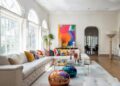
When natural light filters into a room, it creates a sense of warmth and openness. The play of light and shadows adds depth and dimension to the space, highlighting architectural features and textures.
Psychological Benefits
- Natural light has been linked to improved mood and productivity, as it helps regulate our circadian rhythm and boosts serotonin levels.
- Spaces flooded with natural light are often perceived as more inviting and calming, promoting a sense of well-being and relaxation.
- Exposure to natural light has also been shown to reduce eye strain and headaches, contributing to overall health and comfort.
Maximizing Natural Light in Design
When it comes to maximizing natural light in interior spaces, there are several strategies that can be employed to create a bright and airy atmosphere. One effective approach is to utilize reflective surfaces to amplify the natural light that enters a room.
By incorporating materials like mirrors, glass, and metallic finishes, light can bounce off these surfaces and spread throughout the space, creating a brighter and more open feel.
Use of Reflective Surfaces
One way to maximize natural light is by strategically placing reflective surfaces in key areas of a room. Mirrors, for example, can be used to not only make a space appear larger but also to bounce light around the room.
Glass tabletops and metallic finishes on furniture can also help to reflect and amplify natural light, enhancing the overall brightness of the space.
Open Floor Plans
Another effective strategy for maximizing natural light is to embrace the concept of open floor plans. By removing unnecessary walls and barriers, light is able to flow freely throughout the space, reaching even the most secluded corners. This creates a sense of airiness and spaciousness, making the room feel brighter and more inviting.
Designing Layouts for Optimal Light and Flow
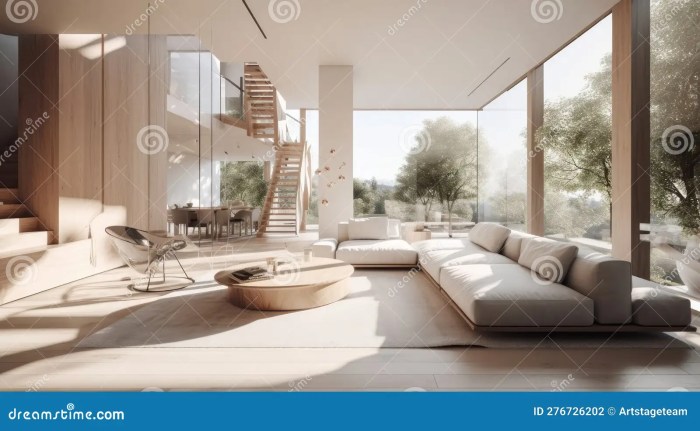
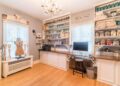
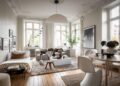
When it comes to designing interiors for natural light and flow, strategically positioning windows and doors is crucial. This helps in maximizing the amount of natural light that enters the space, creating a bright and airy atmosphere. Additionally, arranging furniture in a way that allows light to flow seamlessly through the room is essential for maintaining a sense of openness and harmony.
Finding the right balance between light and privacy is also important to ensure that the space feels welcoming and comfortable.
Positioning Windows and Doors
- Place windows strategically to capture the most sunlight during the day.
- Consider the orientation of the room and the path of the sun to determine the best placement for windows.
- Use doors with glass panels to allow light to pass through and create a visual connection between different areas of the space.
Arranging Furniture for Light Flow
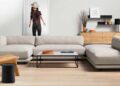
- Avoid blocking windows with large pieces of furniture to allow natural light to fill the room.
- Opt for light-colored furniture and reflective surfaces to bounce light around the space.
- Create open pathways for light to travel through the room without obstacles.
Balance Between Light and Privacy
- Use window treatments like sheer curtains or blinds to control the amount of light and privacy in the space.
- Consider frosted glass or translucent materials for windows in areas where privacy is needed without sacrificing natural light.
- Strategically place furniture or room dividers to create private nooks while still allowing light to filter through.
Incorporating Natural Elements for Light and Flow
Indoor plants, natural materials like wood and stone, and water features all play a crucial role in enhancing natural light and creating a sense of flow in interior design.
Indoor Plants for Enhancing Natural Light and Flow
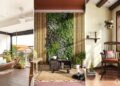
Indoor plants not only add a touch of nature to interior spaces but also help in maximizing natural light. Placing plants near windows allows them to absorb sunlight and create a vibrant atmosphere. Additionally, the presence of greenery can visually connect the indoors with the outdoors, promoting a sense of flow and harmony within the space.
Natural Materials like Wood and Stone
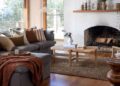
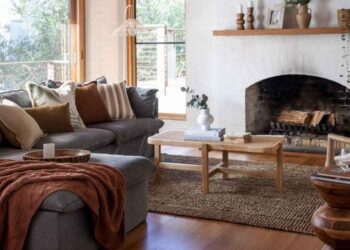
Incorporating natural materials such as wood and stone in interior design can significantly impact the way light interacts with the space. Wood, with its warm tones, can reflect and enhance natural light, creating a cozy and inviting ambiance. Stone, on the other hand, adds texture and a sense of grounding, connecting the interior to the natural world outside.
These materials not only enhance light but also contribute to the flow and overall aesthetic of the space.
Water Features for Enhancing Flow and Tranquility
Water features like fountains, ponds, or even indoor waterfalls can introduce a sense of movement and tranquility to interior spaces. The sound of running water can have a calming effect, promoting relaxation and a better flow within the space. Water features also act as focal points, drawing the eye and creating a dynamic element that enhances the overall design.
Closing Notes
In conclusion, Designing Interiors for Natural Light and Flow offers a myriad of opportunities to transform living spaces into vibrant and welcoming environments. By strategically utilizing natural light, thoughtful layouts, and elements that promote flow, interior design can truly elevate the mood and functionality of a room.
Embrace these principles to craft spaces that are not only aesthetically pleasing but also conducive to well-being and comfort.
Questions Often Asked
How does natural light affect the ambiance of a space?
Natural light can create a sense of warmth, openness, and vitality, making a space feel more inviting and spacious.
What are some strategies for maximizing natural light in interior spaces?
Utilizing light-colored surfaces, placing mirrors strategically, and keeping windows unobstructed can help maximize natural light.
How can furniture arrangement impact the flow of natural light in a room?
Arranging furniture to allow light to pass through and avoiding blocking windows can help maintain a seamless flow of natural light.