Kicking off with Sustainable Furniture and Interior Design Ideas, this topic delves into the innovative ways to create a more eco-friendly and stylish living space. From sustainable materials to energy-efficient lighting, get ready to explore the world of green interior design.
Sustainable Materials in Furniture Design
Sustainable materials play a crucial role in furniture design as they help reduce the environmental impact of production and consumption. By using eco-friendly materials, designers can create beautiful and functional pieces while also promoting sustainability and responsible sourcing practices.
Examples of Eco-Friendly Materials
There are various eco-friendly materials commonly used in sustainable furniture design:
- Bamboo: Known for its rapid growth and renewability, bamboo is a popular choice for sustainable furniture due to its strength and durability.
- Reclaimed Wood: Salvaged wood from old buildings, boats, or furniture can be repurposed into new pieces, giving them a unique character while reducing the demand for new timber.
- Cork: Harvested from the bark of cork oak trees without harming the tree, cork is a lightweight and versatile material that is often used in furniture design.
- Recycled Plastic: Turning plastic waste into furniture not only helps reduce pollution but also showcases the potential for upcycling materials into new products.
- Organic Cotton: Using organic cotton for upholstery or textiles in furniture design helps support sustainable farming practices and reduces the use of harmful chemicals.
Benefits of Recycled Materials
Incorporating recycled materials into furniture design offers several benefits:
- Reduces Waste: By repurposing materials that would otherwise end up in landfills, designers can help minimize waste and promote a circular economy.
- Energy Savings: Recycling materials like metal or glass requires less energy than producing new materials from scratch, leading to lower carbon emissions.
- Creative Design Possibilities: Working with recycled materials allows designers to experiment with unique textures, colors, and patterns, resulting in one-of-a-kind pieces that stand out.
- Educational Value: Using recycled materials in furniture design can raise awareness about the importance of sustainability and inspire others to make environmentally conscious choices.
Energy-Efficient Lighting Design
Energy-efficient lighting design in interior spaces focuses on utilizing lighting solutions that reduce energy consumption while still providing adequate illumination. This approach not only helps in lowering electricity bills but also contributes to a more sustainable environment by decreasing the carbon footprint associated with energy usage.
Tips for Integrating Energy-Saving Lighting Solutions
- Switch to LED bulbs: LED lights are more energy-efficient than traditional incandescent bulbs and have a longer lifespan, making them a cost-effective choice.
- Use dimmer switches: Installing dimmer switches allows you to adjust the brightness of the lights according to the need, saving energy when full illumination is not required.
- Maximize natural light: Make use of natural light during the day by strategically placing windows, skylights, and light-colored surfaces to reflect and distribute sunlight throughout the space.
- Install motion sensors: Motion sensor lights automatically turn off when no movement is detected, preventing unnecessary energy consumption in areas with less frequent activity.
- Consider smart lighting systems: Smart lighting systems enable you to control the lights remotely, schedule lighting based on occupancy, and adjust brightness levels for maximum energy efficiency.
Impact of Lighting Design on Reducing Energy Consumption
Lighting design plays a crucial role in reducing energy consumption in a sustainable home. By implementing energy-efficient lighting solutions and practices, homeowners can significantly decrease the amount of electricity used for lighting purposes. This not only leads to cost savings but also contributes to environmental conservation by lowering greenhouse gas emissions associated with energy production.
Sustainable lighting design is an essential aspect of creating eco-friendly interiors that prioritize energy efficiency and environmental responsibility.
Biophilic Design Elements
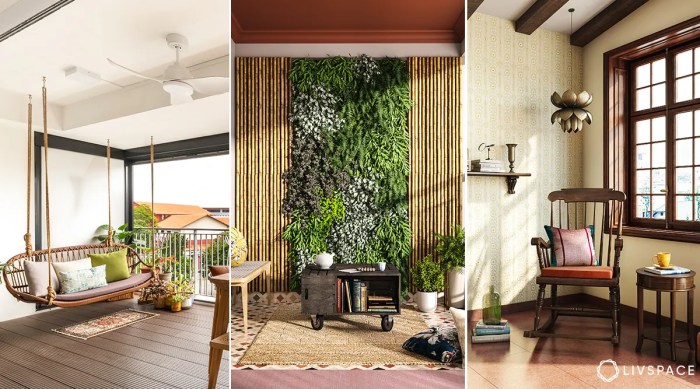
Biophilic design is a concept that integrates nature and natural elements into the built environment to create spaces that enhance human well-being and connection to nature. By incorporating elements such as natural light, plants, water features, and natural materials, biophilic design aims to reduce stress, increase productivity, and improve overall mental and physical health.
Nature-Inspired Furniture and Decor
One way to incorporate biophilic design elements into interior spaces is by using furniture and decor inspired by nature. This can include using materials like wood, bamboo, or cork, as well as incorporating organic shapes and textures reminiscent of natural forms.
By bringing these elements into the space, it helps create a sense of tranquility and connection to the outdoors.
Biophilic Lighting Design
Another way to introduce biophilic design into interior spaces is through lighting design. Incorporating natural light through large windows, skylights, or light tubes can help mimic the changing patterns of sunlight throughout the day. Additionally, using warm, color temperature adjustable LED lights can create a more natural and soothing environment, promoting circadian rhythm and overall well-being.
Benefits of Biophilic Design
The benefits of incorporating biophilic design elements into interior spaces are numerous. Studies have shown that exposure to nature and natural elements can reduce stress, improve cognitive function, and increase creativity. By creating spaces that evoke a connection to nature, individuals are more likely to experience improved mood, productivity, and overall well-being.
Minimalist and Functional Furniture
Minimalist design in sustainable furniture focuses on simplicity, functionality, and reducing waste. By utilizing clean lines, neutral colors, and efficient use of materials, minimalist furniture pieces can contribute to a more sustainable lifestyle.
Examples of Multifunctional Furniture Pieces
- A convertible sofa bed that serves as both seating and sleeping space, reducing the need for multiple furniture items.
- A storage ottoman that provides seating while also offering hidden storage compartments to reduce clutter in a space.
- A dining table with collapsible sides or adjustable height, allowing it to be used for different purposes and saving space when not in use.
How Minimalist Design Principles Contribute to Sustainability
- Minimalist design focuses on using only essential elements, reducing the overall environmental impact of furniture production.
- By prioritizing functionality and eliminating unnecessary features, minimalist furniture encourages a more mindful consumption approach.
- The longevity of minimalist furniture pieces, often made with high-quality materials, reduces the need for frequent replacements and minimizes waste generation.
Upcycling and Repurposing Furniture
Upcycling and repurposing furniture are sustainable practices that involve giving old or unwanted items a new purpose or design rather than disposing of them. While both concepts involve transforming furniture, there is a slight difference between the two. Upcycling focuses on creatively reusing materials to create something of higher quality or value, while repurposing involves using an item for a different function than its original purpose.
Creative Ideas for Upcycling Old Furniture
Upcycling old furniture can breathe new life into your space while reducing waste. Here are some creative ideas to inspire your upcycling projects:
- Turn an old wooden ladder into a stylish bookshelf by adding shelves between the rungs.
- Repurpose an old dresser into a bathroom vanity by cutting a hole in the top for a sink.
- Transform a wooden cable spool into a unique outdoor table by painting and adding a glass top.
- Use old drawers to create wall shelves or a pet bed for your furry friend.
Environmental Benefits of Upcycling and Repurposing Furniture
Upcycling and repurposing furniture have significant environmental benefits that contribute to sustainable interior design:
- Reduces waste by giving old furniture a new purpose instead of ending up in landfills.
- Conserves natural resources by using existing materials rather than creating new ones.
- Decreases the demand for new furniture production, which can have a high environmental impact.
- Helps lower carbon emissions associated with manufacturing and transportation of new furniture.
Indoor Air Quality and Sustainable Design
Indoor air quality is a crucial aspect of sustainable interior design as it directly impacts the health and well-being of occupants. By choosing furniture and materials that promote better indoor air quality, we can create a healthier living environment while reducing our carbon footprint.
Tips for Improving Indoor Air Quality
- Avoid furniture and materials containing harmful chemicals such as VOCs (Volatile Organic Compounds) by opting for low or zero VOC options.
- Choose natural and organic materials like wood, bamboo, cork, and organic fabrics that are sustainably sourced and do not off-gas harmful substances.
- Consider investing in air purifiers or plants that help filter out pollutants and improve indoor air quality naturally.
Benefits of Sustainable Design for Indoor Air Quality
Sustainable design practices not only reduce environmental impact but also contribute to a healthier living environment by improving indoor air quality. By using eco-friendly materials and furniture, we can minimize exposure to harmful chemicals and create spaces that promote well-being.
Wrap-Up
In conclusion, Sustainable Furniture and Interior Design Ideas offer a perfect blend of style and sustainability for your home. By incorporating these eco-friendly practices, you can not only create a beautiful living space but also contribute to a healthier planet.
Dive into the world of sustainable design and make a positive impact today.
Top FAQs
What are some common eco-friendly materials used in sustainable furniture?
Some common eco-friendly materials used in sustainable furniture include bamboo, reclaimed wood, recycled metal, and organic fabrics.
How can I improve indoor air quality through sustainable design?
You can improve indoor air quality by choosing furniture made from natural, non-toxic materials and incorporating plants into your interior spaces to act as natural air purifiers.
What is the difference between upcycling and repurposing furniture?
Upcycling involves creatively transforming old furniture into something of higher quality or value, while repurposing refers to giving old furniture a new function or purpose without significant alterations.