How to Design a Timeless Home Interior sets the stage for this enthralling narrative, offering readers a glimpse into a story that is rich in detail and brimming with originality from the outset. From timeless decorative elements to sustainable design solutions, this guide delves into every aspect of creating a home interior that stands the test of time.
As we explore the key elements, layout strategies, and tips for incorporating personal touches, you'll discover the secrets to achieving a timeless look that reflects your unique style.
Elements of Timeless Interior Design
When it comes to creating a timeless interior design, there are key elements that play a crucial role in achieving a classic and enduring aesthetic. From color schemes to materials and furniture pieces, each component contributes to the overall timeless appeal of a space.
Color Schemes
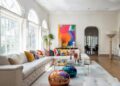
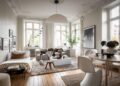
Color schemes are fundamental in setting the tone for a timeless interior design. Neutral colors like whites, beiges, and grays are often used as a base, providing a versatile canvas that can be easily updated with accent colors. Soft, muted tones can create a sense of sophistication and elegance, while bold colors can be incorporated through accessories or artwork to add personality without overwhelming the space.
Materials and Textures
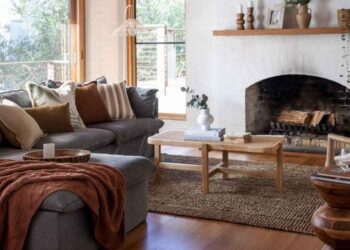
In timeless interior design, the choice of materials and textures is essential. Classic materials such as wood, stone, and metals like brass or chrome are commonly used to create a sense of warmth and richness. Mixing different textures like velvet, leather, and linen can add depth and visual interest to the space, ensuring a timeless appeal that transcends trends.
Classic Furniture Pieces
Selecting classic furniture pieces is key to achieving a timeless interior design. Timeless furniture designs like the Eames Lounge Chair, Barcelona Chair, or Chesterfield sofa have stood the test of time and continue to be revered for their style and quality.
Investing in these iconic pieces can elevate the overall aesthetic of a space and ensure a timeless look that will never go out of style.
Layout and Spatial Arrangement
Creating a timeless interior design involves careful consideration of layout and spatial arrangement to ensure a harmonious and functional living space.
The Importance of Layout
Layout plays a crucial role in setting the foundation for a timeless interior design. It determines how different elements within a space interact with each other and how people navigate through the area. A well-thought-out layout can enhance the overall aesthetics of a room while maximizing its functionality.
- Avoid overcrowding the space with furniture and decor pieces to maintain a sense of openness and flow.
- Consider the natural traffic flow within the room to ensure easy movement and accessibility to different areas.
- Strive for a balance between negative space and filled space to create a visually appealing environment.
Functionality and Aesthetics Balance
Balancing functionality and aesthetics in spatial arrangement is key to achieving a timeless interior design. While aesthetics focus on the visual appeal of the space, functionality ensures that the room serves its intended purpose effectively.
- Choose furniture that not only looks good but also serves a practical function in the room.
- Opt for versatile pieces that can adapt to different layouts and design styles over time.
- Consider the needs and lifestyle of the occupants when arranging the space to ensure it meets their requirements.
Sense of Flow and Cohesion
Creating a sense of flow and cohesion in different living spaces is essential for a timeless interior design. Cohesive design elements tie the various parts of a room together, creating a harmonious and unified look.
- Use a consistent color palette and design style throughout the space to maintain visual continuity.
- Introduce elements of repetition, such as patterns or textures, to establish a cohesive theme in the room.
- Ensure that there is a clear visual hierarchy in the layout to guide the eye and create a sense of order.
Optimizing Natural Light and Ventilation
Optimizing natural light and ventilation can enhance the timeless feel of an interior design by creating a bright, airy, and inviting atmosphere.
- Maximize natural light by using light-colored window treatments and strategically placing mirrors to reflect sunlight into the room.
- Position furniture to allow for unobstructed views of windows and doors to promote natural light and airflow.
- Consider incorporating skylights or light tubes to bring in additional natural light without compromising privacy.
Timeless Decorative Elements
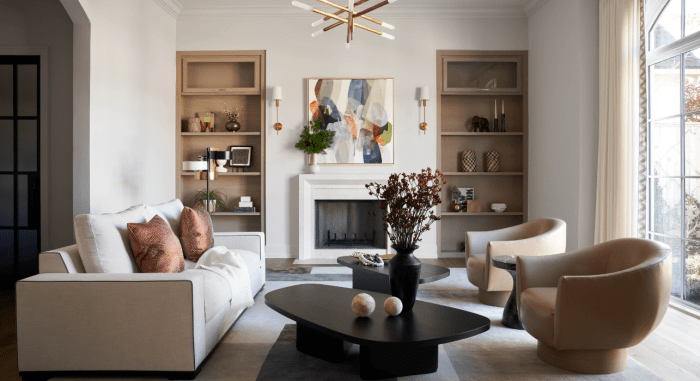
When it comes to designing a timeless home interior, incorporating the right decorative elements is key to achieving a classic and elegant look that will stand the test of time. From art pieces to rugs and lighting fixtures, every detail plays a crucial role in creating a cohesive and timeless aesthetic.
Identifying Timeless Decorative Elements
Timeless decorative elements such as artwork, rugs, and lighting fixtures are essential in adding character and charm to any space. Opt for pieces with classic designs, neutral colors, and high-quality materials that will remain stylish for years to come.
Incorporating Personal Touches
While sticking to timeless decorative elements, it's important to incorporate personal touches that reflect your unique style and personality. Mix in family heirlooms, travel souvenirs, or custom artwork to add a personal touch without compromising the timeless appeal of the space.
Mixing Modern and Traditional Elements
To create a harmonious balance between modern and traditional decorative elements, consider mixing styles thoughtfully. Pair a sleek modern sofa with a vintage rug, or combine contemporary artwork with traditional lighting fixtures to create a visually interesting and timeless look.
Creating Focal Points
Use decorative elements strategically to create focal points in your space. Hang a statement art piece above a fireplace, place a stunning rug in the center of a room, or install a unique lighting fixture as the centerpiece of a dining area.
These focal points will draw attention and add a sense of sophistication to the overall design.
Sustainability in Timeless Design
Creating a timeless home interior goes beyond just aesthetics - it also involves incorporating sustainable practices and materials. Sustainability in design is essential not only for the environment but also for ensuring the longevity and timelessness of a space.
Incorporating Eco-Friendly Materials and Practices
When designing a timeless interior, consider using eco-friendly materials such as reclaimed wood, bamboo, cork, and recycled glass. Opt for low VOC paints and finishes to improve indoor air quality. Integrate energy-efficient lighting and appliances to reduce energy consumption.
Examples of Sustainable Design Solutions
- Installing solar panels to harness renewable energy and reduce reliance on traditional power sources.
- Using sustainable fabrics like organic cotton, hemp, or linen for upholstery and curtains.
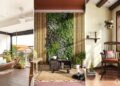
- Incorporating indoor plants for natural air purification and a touch of greenery.
Future-Proofing a Timeless Design with Sustainability
To ensure your timeless design remains relevant and sustainable in the future, focus on durability and longevity. Invest in quality, well-crafted furniture and fixtures that stand the test of time. Choose classic, versatile pieces that can adapt to changing trends without the need for frequent replacements.
Closing Summary
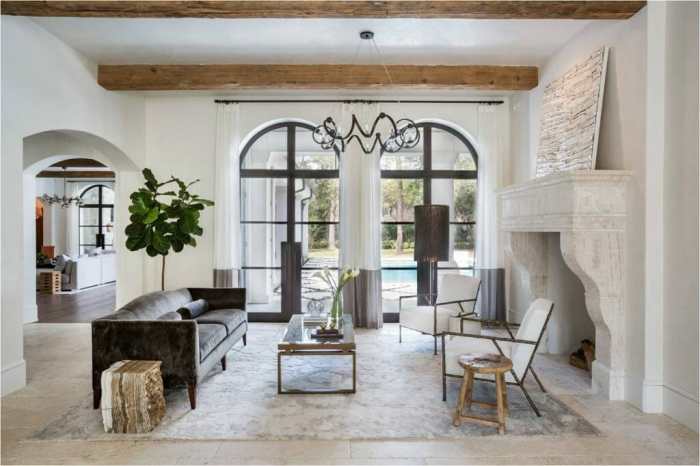
In conclusion, designing a timeless home interior is not just about following trends but creating a space that resonates with your personality and withstands changing fashions. By embracing a blend of classic pieces and modern flair, you can craft a home that exudes elegance and sophistication for years to come.
Essential Questionnaire
How can I incorporate personal touches in a timeless home interior?
To add personal touches, consider displaying meaningful art pieces, family heirlooms, or unique decor items that reflect your personality while complementing the overall timeless aesthetic.
Why is sustainability important in timeless design?
Sustainability ensures that your design choices have a lasting impact on the environment and future generations, aligning with the goal of creating a space that transcends trends and remains relevant for years to come.
How do I balance functionality and aesthetics in spatial arrangement?
When arranging your space, prioritize functionality by ensuring that each element serves a purpose while maintaining a cohesive aesthetic through thoughtful placement and design choices.