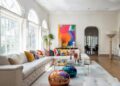
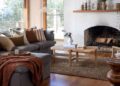
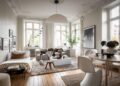
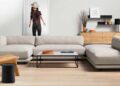
Exploring the realm of Choosing the Perfect Furniture for a Minimalist Home, this introduction aims to provide a comprehensive yet engaging overview of the topic. With a focus on functionality and simplicity, finding the right pieces to enhance your minimalist living space can be both rewarding and aesthetically pleasing.
As we delve deeper into the nuances of minimalist furniture selection, we uncover key considerations that can transform your home into a haven of tranquility and style.
Factors to Consider When Choosing Furniture for a Minimalist Home
When designing a minimalist home, it is essential to prioritize functionality over aesthetics. Minimalist design focuses on simplifying spaces to create a sense of calm and order, which is why the furniture chosen should serve a purpose beyond just looking good.
Maximizing Space with Multi-Purpose Furniture
In a minimalist home, space is a valuable commodity. To make the most of the available space, opt for furniture pieces that can serve multiple functions. For example, a coffee table with built-in storage or a sofa that can be converted into a bed can help reduce clutter and maximize space in a minimalist setting.
Choosing Clean Lines and Simple Designs
When selecting furniture for a minimalist home, prioritize clean lines and simple designs. Look for pieces with minimal ornamentation and a neutral color palette to maintain the clean and uncluttered aesthetic typical of minimalist design. Avoid furniture with intricate details or unnecessary embellishments that can disrupt the minimalist vibe of the space.
Types of Furniture Ideal for a Minimalist Home
When furnishing a minimalist home, it is crucial to select pieces that not only serve their primary function but also contribute to the overall aesthetic and functionality of the space.
Multi-Functional Sofas and Tables
Multi-functional furniture pieces like sofas that can convert into beds or tables with hidden storage compartments are ideal for maximizing space in a minimalist home. These versatile pieces help optimize living areas, providing both comfort and practicality without compromising on style.
Storage Solutions for Minimalist Interiors
Incorporating storage solutions that seamlessly blend into the minimalist design is essential for maintaining a clutter-free environment. Examples include floating shelves, wall-mounted cabinets, and built-in drawers that offer ample storage space while maintaining the clean and sleek look of the space.
Furniture with Hidden Storage Compartments
Investing in furniture with hidden storage compartments, such as ottomans with built-in storage or bed frames with drawers, can help keep belongings organized and out of sight. These discreet storage solutions are perfect for storing items that are not in regular use, contributing to a tidy and minimalist living space.
Material Selection for Minimalist Furniture
When it comes to choosing materials for minimalist furniture, it is essential to consider not only the aesthetic appeal but also the functionality and overall theme of the home. The materials used should complement the simplicity and clean lines that are characteristic of minimalist design.
Additionally, durability and sustainability play a significant role in ensuring that the furniture pieces last long and have a minimal impact on the environment.
Wood
Wood is a popular choice for minimalist furniture due to its natural beauty and versatility. When selecting wood for minimalist furniture, opt for light-toned woods such as oak, maple, or birch to create a sense of warmth and openness in the space.
Look for furniture pieces with clean lines and simple designs to maintain the minimalist aesthetic.
Metal
Metal is another excellent option for minimalist furniture, as it adds a touch of modernity and sleekness to the space. Choose metals like stainless steel or aluminum for a clean and minimalist look. Metal furniture pieces are often sleek and minimal in design, making them perfect for a minimalist home.
Glass
Glass furniture can help create the illusion of space in a minimalist home, making it appear more open and airy. Opt for glass tables or shelves to add a touch of elegance and sophistication to the space. However, it is essential to ensure that the glass used is tempered for safety and durability.
Significance of Durability and Sustainability
When selecting materials for minimalist furniture, durability and sustainability are crucial factors to consider. Opt for materials that are long-lasting and can withstand daily wear and tear to ensure that your furniture pieces remain in good condition for years to come.
Additionally, choose sustainable materials such as FSC-certified wood or recycled metals to reduce the environmental impact of your furniture choices.
Color Schemes and Textures for Minimalist Furniture
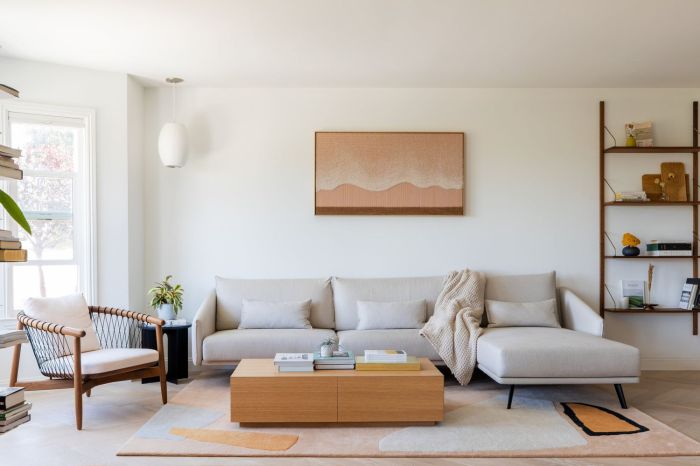
When it comes to minimalist furniture, the choice of color schemes and textures plays a crucial role in achieving a clean and streamlined look. Neutral colors like white, beige, and gray are commonly used in minimalist design to create a sense of simplicity and sophistication.
These colors help in making the space feel open, airy, and uncluttered.Incorporating textures such as natural wood or matte finishes can add visual interest to a minimalist interior. The contrast between smooth surfaces and textured elements can create depth and dimension in the space.
Opting for natural materials like wood can bring warmth and organic feel to the room, while matte finishes offer a subtle elegance without being too flashy.
Balancing Monochromatic Color Scheme with Textures
- Use textures to add visual depth: Incorporate different textures like a plush rug, woven throw, or textured cushions to prevent the space from feeling too stark or clinical.
- Mix materials: Combine different materials like wood, metal, and glass to create a harmonious balance between the monochromatic color scheme and textures.
- Introduce pops of color: Consider adding a few accent pieces in bold colors to break the monotony of the neutral palette and infuse personality into the space.
- Play with light and shadow: Experiment with lighting fixtures to create interesting plays of light and shadow that enhance the textures of the furniture pieces.
Closing Notes
In conclusion, Choosing the Perfect Furniture for a Minimalist Home is a journey of balance and purpose. By embracing the principles of minimalism in your furniture choices, you can create a space that is not only visually appealing but also conducive to a clutter-free lifestyle.
Let your furniture be a reflection of your values and aspirations, embodying simplicity and elegance in every piece.
Essential Questionnaire
What is the significance of functionality over aesthetics in minimalist design?
Functionality takes precedence in minimalist design as it ensures that every piece serves a purpose and contributes to a clutter-free space, promoting a sense of calm and simplicity.
How can furniture with hidden storage compartments benefit a minimalist home?
Furniture with hidden storage compartments helps maintain a clutter-free space by providing discreet storage solutions for items that need to be kept out of sight, ensuring a clean and organized living environment.
Why are neutral colors like white, beige, or gray commonly used in minimalist furniture?
Neutral colors create a sense of tranquility and spaciousness, making them ideal for minimalist furniture to maintain a clean and uncluttered aesthetic while allowing for flexibility in decor choices.