Embarking on the journey of eco-friendly roofing and siding materials, this introduction aims to pique the interest of the readers by shedding light on the importance of sustainable construction practices.
Delving deeper into the various types of materials and their environmental benefits, this topic is sure to resonate with those seeking eco-conscious solutions for their homes.
Eco-Friendly Roofing Materials
Using eco-friendly roofing materials is essential for sustainable construction practices. These materials are manufactured with a focus on reducing environmental impact and promoting energy efficiency, making them a popular choice for environmentally conscious homeowners. Let's explore some of the different types of eco-friendly roofing materials and their benefits.
Solar Panels
Solar panels are a popular eco-friendly roofing option that harnesses the power of the sun to generate electricity for your home. By using solar panels, you can reduce your carbon footprint and lower your energy bills by producing clean, renewable energy.
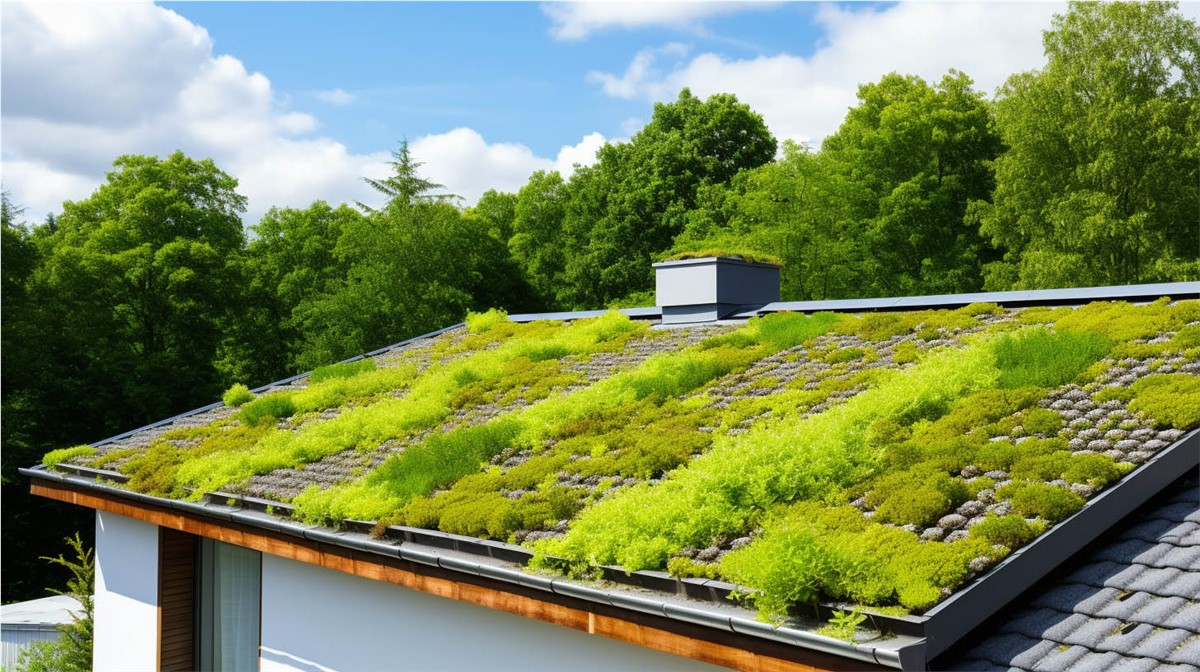
Green Roofs
Green roofs consist of vegetation or plants growing on the roof surface, providing insulation, reducing stormwater runoff, and improving air quality. They help lower energy costs by providing natural insulation and creating a more sustainable urban environment.
Recycled Shingles
Recycled shingles are made from recycled materials such as rubber, plastic, or wood fibers, diverting waste from landfills. These shingles are durable, energy-efficient, and can mimic the appearance of traditional roofing materials like asphalt shingles or cedar shakes.
Metal Roofing
Metal roofing is a long-lasting and energy-efficient option that can be recycled at the end of its lifespan. It reflects sunlight, reducing heat absorption in the summer, and can be installed over existing roofs, reducing waste. Metal roofs are also resistant to fire, mildew, and pests.
Benefits of Eco-Friendly Roofing Materials
- Reduce energy consumption and lower energy bills
- Improve indoor air quality and comfort
- Enhance the overall aesthetics of your home
- Increase property value and curb appeal
- Support sustainable building practices and reduce environmental impact
Cost-Effectiveness
While the initial cost of eco-friendly roofing materials may be higher than traditional options, the long-term savings on energy bills and maintenance costs can make them a cost-effective choice in the long run. Additionally, many eco-friendly roofing materials qualify for tax credits and incentives, further offsetting the initial investment.
Sustainable Siding Materials
When it comes to sustainable siding materials, there are several options available in the market that offer both eco-friendly benefits and durability. These materials not only contribute to a more sustainable environment but also provide long-lasting protection for buildings.
Examples of Sustainable Siding Materials
- Bamboo: Bamboo siding is a renewable resource that grows quickly and requires minimal maintenance. It is a durable option that can withstand harsh weather conditions.
- Recycled metal: Siding made from recycled metal is not only environmentally friendly but also highly durable and resistant to fire, pests, and rot.
- Reclaimed wood: Using reclaimed wood for siding helps reduce the demand for new timber and gives a rustic, unique look to buildings. It is also known for its longevity and strength.
Durability of Sustainable Siding Materials
- Sustainable siding materials are often more durable than conventional options, as they are designed to withstand environmental factors such as UV exposure, moisture, and temperature fluctuations.
- These materials are also resistant to rot, mold, and insect damage, ensuring a longer lifespan for the siding and reducing the need for frequent replacements.
Contribution to Energy Efficiency
- Using sustainable siding materials can contribute to energy efficiency in buildings by providing better insulation and reducing heat loss or gain through walls.
- Materials like bamboo and reclaimed wood have natural insulating properties, helping to maintain a comfortable indoor temperature and reduce the reliance on heating and cooling systems.
Installation and Maintenance
Installing eco-friendly roofing and siding materials involves a specific process to ensure their effectiveness and longevity. Proper maintenance is also key to preserving their eco-friendly qualities and durability.
Installation Process
- Choose a reputable contractor experienced in working with eco-friendly materials to ensure proper installation.
- Ensure that the installation process follows manufacturer guidelines to maintain warranties and optimal performance.
- Properly seal and insulate the roof or siding to prevent leaks and maximize energy efficiency.
- Consider using recycled or salvaged materials during installation to further enhance the sustainability of the project.
Maintenance Tips
- Regularly inspect the roof and siding for any damage or wear, addressing issues promptly to prevent further damage.
- Clean the roof and siding as needed to remove debris, dirt, and potential mold or mildew buildup.
- Trim any overhanging branches or vegetation that could damage the roof or siding during storms or high winds.
- Check and maintain the sealant and insulation to ensure energy efficiency and protect against leaks.
Special Considerations
- Some eco-friendly materials may require specialized maintenance products or techniques, so be sure to follow manufacturer recommendations.
- Be mindful of any warranties or guarantees associated with the materials and installation, as improper maintenance could void them.
- Weather conditions and local environmental factors may impact the maintenance needs of eco-friendly roofing and siding materials, so adjust your maintenance routine accordingly.
Environmental Impact
Roofing and siding materials play a significant role in the environmental impact of buildings. Traditional materials like asphalt shingles, vinyl siding, and aluminum siding have negative effects on the environment due to their production processes, use of non-renewable resources, and disposal methods.Eco-friendly roofing and siding materials, on the other hand, are designed to minimize these negative effects and promote sustainability.
These materials are often made from recycled or renewable resources, require less energy to produce, and can be recycled at the end of their lifespan.
Carbon Footprint
One of the key differences between eco-friendly and non-eco-friendly materials is their carbon footprint. Traditional materials like asphalt shingles have a high carbon footprint due to the energy-intensive production process and the use of fossil fuels. In comparison, eco-friendly materials like metal roofing or cedar siding have a lower carbon footprint because they are often made from recycled materials or sustainably sourced resources.According to a study by the Environmental Protection Agency, the production of asphalt shingles generates over 1.2 million tons of waste each year in the United States alone.
In contrast, metal roofing can be recycled at the end of its lifespan, reducing the amount of waste sent to landfills.Overall, the use of eco-friendly roofing and siding materials can help reduce greenhouse gas emissions and promote a more sustainable building industry.
Final Thoughts
Concluding our discussion on eco-friendly roofing and siding materials, it's evident that these sustainable options offer a greener alternative for construction projects. By choosing eco-friendly materials, we not only reduce our carbon footprint but also contribute to a more environmentally friendly future.
FAQ Insights
What are the benefits of using eco-friendly roofing materials?
Using eco-friendly roofing materials helps reduce energy consumption, improve indoor air quality, and decrease environmental impact by using sustainable resources.
How can I maintain eco-friendly roofing and siding materials?
Maintaining eco-friendly materials involves regular inspections, cleaning with eco-friendly products, and addressing any repairs promptly to ensure longevity.
What is the difference in carbon footprint between eco-friendly and non-eco-friendly materials?
Eco-friendly materials generally have a lower carbon footprint compared to traditional ones, as they are often made from recycled or renewable sources.