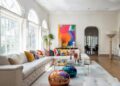
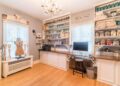
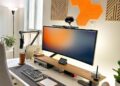
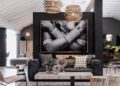
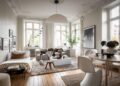
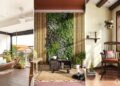
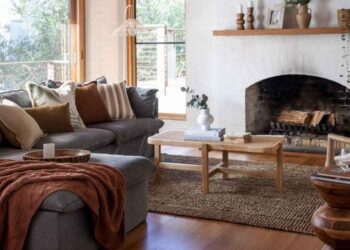
Embarking on the journey of How to Make a Statement with Interior Wall Art, this introduction aims to pique the readers' interest and provide a glimpse into the world of enhancing spaces with creative wall decor.
Delve into the realm of interior design where wall art plays a pivotal role in transforming a room's ambiance and reflecting personal style through a variety of artistic expressions.
Importance of Interior Wall Art
Interior wall art plays a crucial role in shaping the ambiance of a room and can greatly impact the overall feel of a space. It has the power to transform a plain, dull room into a vibrant and visually appealing area that reflects the personality and style of the inhabitants.
Reflecting Personal Style and Interests
Wall art allows individuals to showcase their personal style, interests, and creativity through carefully curated pieces. Whether it's a collection of paintings, photographs, or sculptures, the art on the walls can serve as a form of self-expression and a reflection of one's unique taste.
Enhancing Aesthetic Appeal
By choosing the right wall art, one can enhance the overall aesthetic appeal of a space. Art pieces can tie together different elements of a room, create focal points, add visual interest, and even evoke specific moods or emotions. The colors, textures, and themes of the artwork can complement the existing decor and furniture, elevating the design of the room.
Types of Wall Art
When it comes to choosing wall art for your space, there are various types to consider, each with its own unique aesthetic appeal and impact on the room.
Paintings
Paintings are a classic choice for wall art, adding color, texture, and style to a room. Whether you prefer abstract, landscape, or portrait paintings, they can serve as a focal point and set the tone for the entire space.
Prints
Prints are reproductions of artwork created through techniques like lithography, giclee printing, or screen printing. They offer a more affordable way to incorporate famous artworks or custom designs into your home decor.
Murals
Murals are large-scale artworks that cover an entire wall or a significant portion of it. They can transform a room by creating a bold statement, adding depth, or even expanding the perceived space.
Abstract Art vs. Realistic Art
Abstract art focuses on shapes, colors, and forms that may not represent any recognizable objects, while realistic art portrays subjects in a true-to-life manner. Abstract art can add a contemporary and dynamic feel to a room, while realistic art can bring a sense of familiarity and tranquility.
Sculptures and Wall Hangings
Sculptures and wall hangings can provide a three-dimensional element to your wall decor. Whether it's a metal sculpture, a ceramic piece, or a woven wall hanging, these artworks can add texture, visual interest, and a touch of personality to your space.
Choosing the Right Wall Art
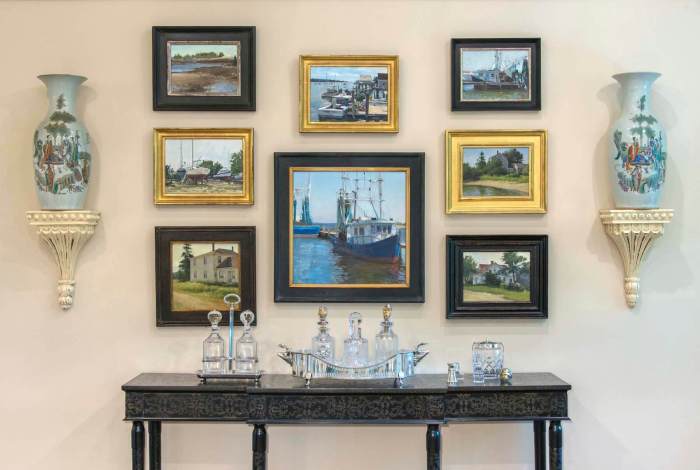
When it comes to choosing the right wall art for your space, there are several factors to consider in order to make a statement and enhance the overall aesthetic of the room.
Complementing the Room's Color Scheme
One important tip is to select wall art that complements the color scheme of the room. Consider the dominant colors in the space and choose artwork that either matches or provides a striking contrast to create visual interest.
Matching the Style with the Room's Decor
Another key aspect to consider is matching the style of the art with the room's decor. Whether your space is modern, traditional, eclectic, or minimalist, choose artwork that aligns with the overall style to create a cohesive look.
Considering Size and Scale
Size and scale are crucial when selecting wall art. A small piece of art might get lost on a large empty wall, while an oversized piece could overwhelm a smaller room. Make sure to measure the wall and consider the space available to ensure the art piece fits perfectly.
Placement and Arrangement
When it comes to maximizing the impact of interior wall art, proper placement and arrangement are key factors. The right positioning can transform a room and enhance its overall aesthetic appeal.
Where to Place Wall Art
- Consider eye level: Hang wall art at eye level, typically around 57-60 inches from the floor to the center of the artwork. This ensures that it is easily visible and creates a balanced look.
- Focus on focal points: Place wall art above key furniture pieces like sofas, beds, or mantels to draw attention and create a focal point in the room.
- Utilize empty walls: Use wall art to fill empty wall spaces and add visual interest to areas that may feel bare or lacking in decoration.
- Create visual flow: Arrange wall art in a way that complements the flow of the room, whether it's following the lines of furniture or guiding the eye towards specific features.
Arranging Multiple Pieces of Wall Art
- Use a central piece: Start with a central piece of wall art and arrange other pieces around it to create a cohesive and balanced look.
- Consider symmetry: Arrange multiple pieces symmetrically for a formal and organized appearance, or opt for asymmetrical arrangements for a more eclectic and dynamic feel.
- Vary sizes and shapes: Mix and match different sizes and shapes of wall art to add visual interest and create a unique gallery wall display.
- Spacing matters: Ensure proper spacing between each piece of wall art to avoid overcrowding or leaving too much empty space on the wall.
Creating a Focal Point
- Choose a statement piece: Select a bold or striking piece of wall art to serve as the focal point of a room and build the design around it.
- Use contrast: Create contrast with the surrounding decor by choosing wall art that stands out against the wall color or complements other elements in the room.
- Highlight with lighting: Illuminate the focal point with strategic lighting to draw attention and enhance its visual impact within the space.
- Consider size and scale: Ensure that the size of the wall art is proportionate to the wall space and other elements in the room to achieve a harmonious focal point.
DIY Wall Art Ideas
Creating your own wall art can add a personal touch to your space and showcase your creativity. DIY projects allow you to customize the artwork to fit your style and preferences. Let's explore some creative DIY wall art ideas using various materials.
Fabric Wall Hangings
Fabric wall hangings are a versatile and easy DIY project to add color and texture to your walls. You can use different patterns, textures, and colors of fabric to create a unique piece of art. Here's a simple step-by-step guide to making a fabric wall hanging:
- Choose a piece of fabric that complements your space.
- Cut the fabric to your desired size and shape.
- Add embellishments like tassels, fringe, or beads for extra flair.
- Attach the fabric to a wooden dowel or embroidery hoop for hanging.
- Hang your fabric wall hanging using a nail or hook on the wall.
Tip: Fabric wall hangings are a great way to introduce different textures and colors into your space.
Pressed Flower Art
Pressed flower art is a delicate and beautiful DIY project that brings the beauty of nature indoors. Here's how you can create your own pressed flower art:
- Select fresh flowers and leaves that you want to press.
- Place the flowers between two sheets of absorbent paper and press them inside a heavy book for a few weeks.
- Once the flowers are pressed and dried, arrange them on a piece of paper or canvas in a pleasing design.
- Secure the flowers in place using glue or clear tape.
- Frame your pressed flower art for a stunning botanical display on your walls.
Tip: Pressed flower art adds a touch of nature and elegance to any room.
Abstract Canvas Painting
Creating an abstract canvas painting is a fun and expressive DIY project that allows you to play with colors and shapes. Here's a simple guide to making your own abstract canvas painting:
- Start with a blank canvas and choose a color palette that complements your room.
- Use different brush strokes, techniques, and layering to create an abstract design on the canvas.
- Experiment with textures, splatter paint, or use tape to create geometric shapes.
- Let the paint dry completely before hanging your abstract canvas painting on the wall.
Tip: Abstract canvas paintings are a great way to add a modern and artistic touch to your space.
Final Summary
Concluding our exploration of How to Make a Statement with Interior Wall Art, we have uncovered the power of art to elevate spaces, create focal points, and add a personal touch to any room.
User Queries
How can I choose wall art that complements my room's color scheme?
Consider picking art pieces that incorporate colors from your existing decor or opt for neutral tones that can blend seamlessly with any palette.
What are some creative DIY wall art ideas I can try?
You can explore projects like creating a gallery wall with personal photos, painting abstract designs on canvas, or making unique wall hangings using recycled materials.
Why is it important to consider the size and scale of wall art?
Choosing the right size ensures that the art piece doesn't overwhelm or get lost in the space, maintaining a visual balance that enhances the overall aesthetic.