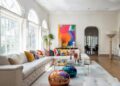
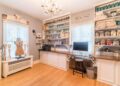
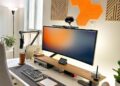
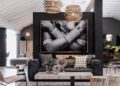
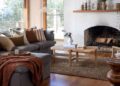
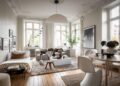
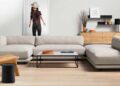
Modular Design Tips from Potters Interiors sets the stage for this enthralling narrative, offering readers a glimpse into a story that is rich in detail with a focus on enhancing interior spaces. From discussing the benefits of modular design to exploring the principles and tips for incorporation, this guide promises a deep dive into the world of modular interior design.
As we delve into the key aspects of modular design, readers will gain valuable insights into how to elevate their living spaces with creativity and functionality.
Modular Design Benefits
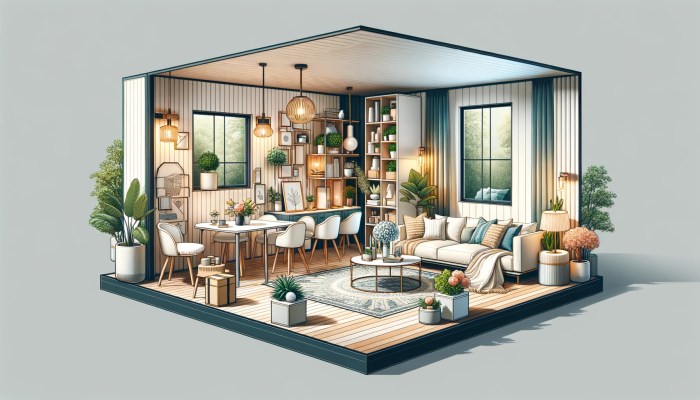
Modular design offers numerous advantages when it comes to interior spaces. By breaking down spaces into smaller, interchangeable components, it allows for greater flexibility, efficiency, and customization.
When compared to traditional design methods, modular design stands out in terms of flexibility and functionality. Traditional designs often involve fixed structures and layouts, making it challenging to adapt to changing needs or preferences. On the other hand, modular design allows for easy reconfiguration of spaces, making it easier to accommodate different functions and styles.
Successful Interior Projects Utilizing Modular Design
- One successful example of modular design in interior spaces is the
IKEA
furniture system. Their modular furniture pieces can be easily combined and rearranged to suit various room layouts and purposes.
- Another example is the
Dieter Rams
shelving system, which consists of modular units that can be stacked and arranged in different configurations to create versatile storage solutions.
- The
OpenDesk
project also showcases the benefits of modular design by offering open-source furniture designs that can be customized and fabricated locally, reducing waste and promoting sustainability.
Principles of Modular Design
Modular design in interiors is guided by key principles that focus on flexibility, adaptability, and scalability. By following these principles, designers can create spaces that can easily be customized, reconfigured, and expanded to meet changing needs and preferences.
Flexibility and Adaptability
Modular design emphasizes the use of interchangeable and flexible components that can be easily rearranged or replaced to accommodate different layouts or functions. This allows spaces to evolve over time, adapting to new requirements without the need for extensive renovations.
By incorporating modular elements like furniture, partitions, and storage units, interiors can be quickly transformed to suit varying purposes or aesthetics.
Scalability
Scalability is another important principle in modular design, ensuring that spaces can grow or shrink in size as needed. By using modular building blocks that can be combined or multiplied, designers can create environments that can easily expand or contract without compromising functionality or visual coherence.
This scalability feature is particularly beneficial in commercial settings where businesses may need to adjust their space requirements based on fluctuations in operations or workforce size.
Incorporating Modular Elements
When it comes to incorporating modular elements into interior spaces, there are several tips to keep in mind to ensure a seamless integration. Modular design offers flexibility and versatility, making it a popular choice for modern interiors.
Creative Ideas for Modular Furniture
Modular furniture can be a great addition to various rooms in your home. Here are some creative ideas for incorporating modular furniture:
- Use modular shelving units to create a customizable storage solution in your living room or home office.
- Opt for a modular sofa that can be rearranged to suit different seating arrangements in your family room or entertainment area.
- Install a modular kitchen island with interchangeable modules for added functionality and style in your kitchen.
Impact of Modular Design on Aesthetics
Integrating modular design elements can have a significant impact on the overall aesthetic of a space. The clean lines and minimalist approach of modular furniture can create a sleek and modern look in any room. Additionally, the ability to customize and rearrange modular pieces allows for a personalized touch that can elevate the design of your home.
Materials and Finishes
When it comes to creating modular furniture and fixtures, choosing the right materials and finishes is crucial for both aesthetics and durability.
Best Materials for Modular Furniture
- Wood: Provides a classic and timeless look, with options like oak, walnut, and teak offering durability and versatility.
- Metal: Offers a modern and industrial feel, with materials like stainless steel and aluminum providing strength and sleekness.
- Plastic: Ideal for lightweight and budget-friendly options, with choices ranging from acrylic to polypropylene.
Comparing Finishes for Modular Designs
- Matte Finish: Creates a soft and elegant look, reducing the appearance of fingerprints and scratches.
- Glossy Finish: Adds a luxurious and reflective surface, amplifying the brightness and color of the furniture.
- Textured Finish: Provides depth and tactile interest, offering a unique touch to the modular elements.
Enhancing Durability with Materials
Choosing materials that enhance the durability of modular elements is essential for long-lasting quality.
Opt for high-quality materials that are resistant to wear and tear, such as solid wood or powder-coated metal.
Consider the maintenance requirements of each material to ensure they can withstand daily use and environmental factors.
Ending Remarks
In conclusion, Modular Design Tips from Potters Interiors serves as a valuable resource for those looking to transform their interiors with a touch of innovation. By understanding the principles, materials, and techniques discussed, individuals can embark on a journey towards creating spaces that are not only visually appealing but also highly functional.
Top FAQs
What are the advantages of modular design in interior spaces?
Modular design offers flexibility, functionality, and scalability, making it a versatile choice for interior projects.
How can one seamlessly integrate modular elements into interior spaces?
By following tips such as careful planning, utilizing modular furniture creatively, and considering the overall aesthetic impact.
Which materials work best for creating modular furniture and fixtures?
Materials like wood, metal, and high-quality plastics are commonly used for durable and aesthetically pleasing modular elements.