The Psychology Behind Interior Colors and Mood sets the stage for this enthralling narrative, offering readers a glimpse into a story that is rich in detail and brimming with originality. Exploring the effects of different interior colors on mood, the warm vs.
cool color distinctions, color combinations for mood harmony, and the influence of personal preferences on mood, this topic delves deep into the fascinating world of color psychology in interior design.
The Impact of Colors on Mood
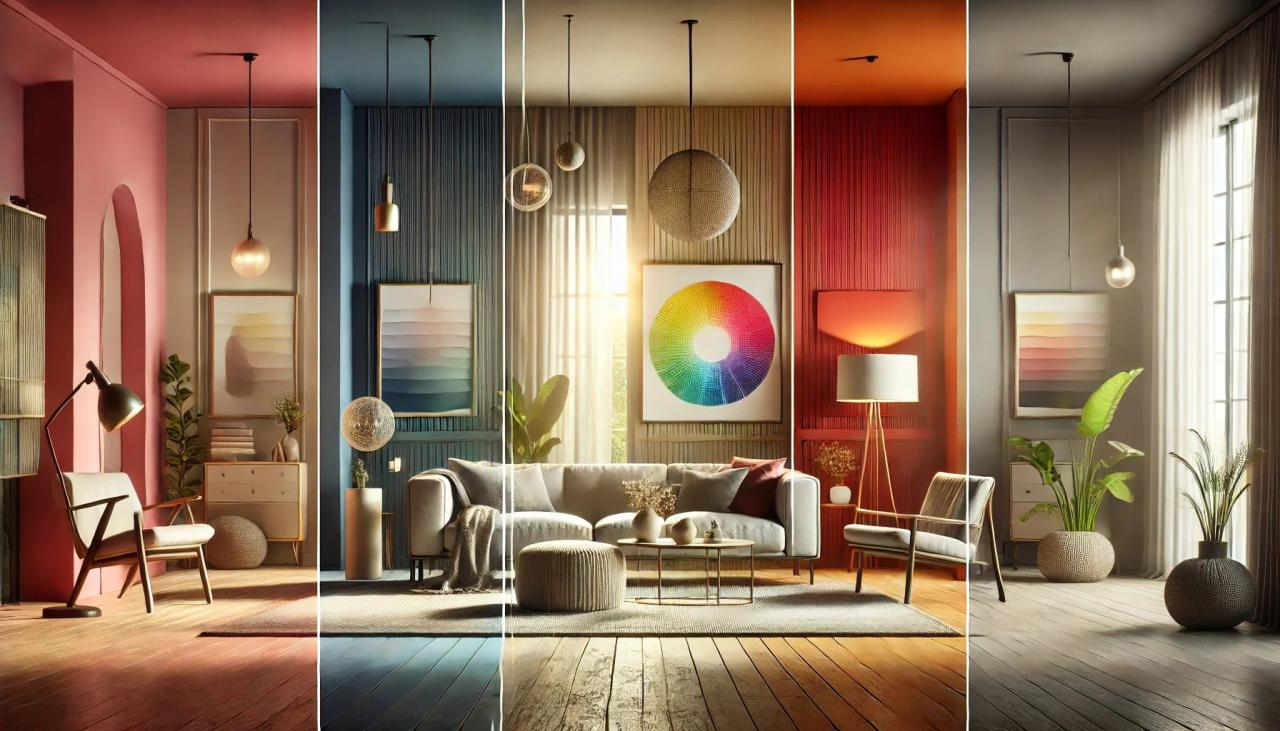
Color plays a significant role in influencing our emotions and mood, with different shades and hues evoking various feelings and psychological responses. Understanding the psychology behind interior colors can help create spaces that promote specific moods and emotions.
Red
Red is often associated with energy, passion, and excitement. It can raise the heart rate and stimulate the senses, making it a bold choice for spaces where activity and dynamism are desired, such as dining rooms or workout areas.
Blue
Blue is known for its calming and soothing effects on the mind and body. It is often used in bedrooms and bathrooms to create a sense of tranquility and relaxation. Lighter shades of blue can evoke feelings of serenity, while darker blues can symbolize stability and trust.
Yellow
Yellow is a cheerful and uplifting color that can bring warmth and positivity to a space. It is often used in kitchens and living areas to create a welcoming and energetic atmosphere. However, too much yellow can be overwhelming and lead to feelings of anxiety or agitation.
Green
Green is associated with nature, growth, and harmony. It can help promote a sense of balance and renewal in a space, making it ideal for areas where relaxation and rejuvenation are priorities, such as bedrooms or home offices.
White
White is often seen as a symbol of purity, simplicity, and cleanliness. It can create an open and airy feel in a room, making it a popular choice for small spaces or areas with minimalistic design themes. However, too much white can feel sterile or cold.
Psychological Theories
The impact of colors on mood can be explained through various psychological theories, such as color psychology and color theory. Color psychology explores how different colors can affect human behavior and emotions, while color theory studies the relationships between colors and their visual effects.
By understanding these theories, designers and homeowners can strategically use colors to create desired atmospheres in interior spaces.
Warm vs. Cool Colors
When it comes to interior design, understanding the distinction between warm and cool colors is crucial, as each category can have a significant impact on the mood and atmosphere of a space.
Effects on Mood
Warm colors, such as red, orange, and yellow, are known to evoke feelings of energy, passion, and warmth. They can create a sense of coziness and intimacy in a room, making it ideal for spaces like living rooms or dining areas where social interactions occur.
Cool colors, on the other hand, like blue, green, and purple, are often associated with feelings of calmness, relaxation, and serenity. These colors are perfect for bedrooms or home offices where a sense of tranquility and focus is desired.
Significance in Home Areas
- Living Room: Using warm colors like red or orange in the living room can promote lively conversations and a welcoming atmosphere for guests.
- Bedroom: Cool colors such as blue or green in the bedroom can enhance relaxation and quality of sleep.
- Kitchen: Warm colors like yellow can stimulate appetite and create an inviting space for meal preparation and dining.
- Home Office: Cool colors like blue can help increase productivity and focus in a workspace.
Color Combinations and Mood Harmony
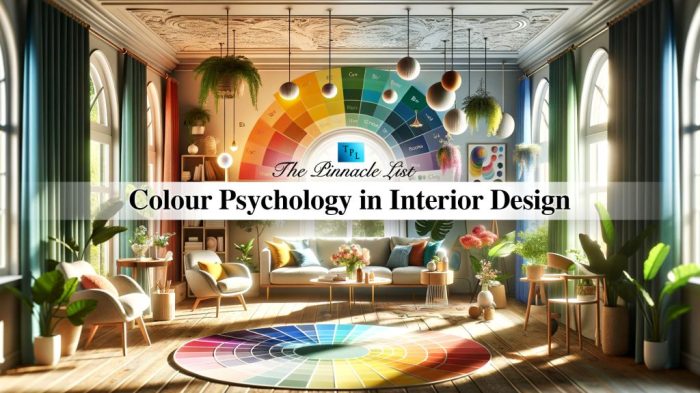
When it comes to interior design, color harmony plays a crucial role in setting the mood of a space. By carefully selecting and combining colors, you can create a harmonious color scheme that promotes a positive and uplifting atmosphere in your home.
Complementary Color Schemes
Complementary colors are located opposite each other on the color wheel, such as blue and orange or red and green. When used together, these colors create a vibrant and dynamic look that can evoke a sense of energy and excitement in a room.
Analogous Color Schemes
Analogous colors are next to each other on the color wheel, like blue, green, and teal. This color scheme creates a cohesive and calming effect, perfect for creating a sense of balance and tranquility in a space.
Monochromatic Color Schemes
Monochromatic color schemes involve using different shades and tints of a single color, such as varying shades of blue or green. This creates a sophisticated and soothing look that can make a room feel both elegant and relaxing.By understanding the psychological impact of these different color combinations, you can choose the right scheme to create the mood you desire in each room of your home.
Personal Preferences and Mood
Personal preferences for certain colors play a significant role in influencing mood and emotions in interior design. These preferences are often linked to individual experiences, cultural background, and personal associations with specific colors.
Individual Experiences and Cultural Background
When it comes to interior design, personal experiences and cultural background can heavily influence color choices. For example, someone who grew up in a coastal town might feel drawn to shades of blue and green, as they evoke feelings of calmness and relaxation associated with the sea.
On the other hand, individuals from cultures where red symbolizes luck and prosperity may prefer this color for their living spaces to invite positive energy.
Importance of Considering Personal Preferences
It is essential to consider personal preferences when selecting colors for different living spaces because colors have the power to evoke strong emotional responses. By choosing colors that resonate with individuals on a personal level, interior design can create a sense of comfort, belonging, and overall well-being.
Whether it's a vibrant yellow that brings joy or a soothing lavender that promotes relaxation, incorporating personal preferences into color choices can significantly impact the mood of a space.
End of Discussion
In conclusion, understanding the psychology behind interior colors and mood not only enhances our living spaces but also enriches our daily experiences. By recognizing the impact of colors on emotions, we can create harmonious environments that promote positivity and well-being.
Dive into the colorful world of interior design and discover a new perspective on how colors can influence our moods and lives.
FAQ Guide
How do different interior colors influence emotions?
Interior colors can evoke various emotions; for example, blue is often associated with calmness and relaxation, while red can signify energy and passion.
What are warm and cool colors?
Warm colors like red and orange tend to create a cozy and energetic atmosphere, whereas cool colors like blue and green offer a sense of calmness and tranquility.
How can I create a harmonious color scheme in my home?
To achieve color harmony, consider using complementary or analogous color schemes that work well together and promote a positive mood in your living spaces.
Why is it important to consider personal preferences when choosing interior colors?
Personal preferences play a significant role in how colors affect our moods, as our individual experiences and cultural background influence the colors we resonate with the most.