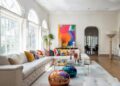
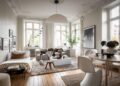
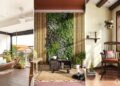
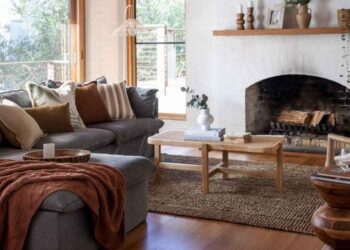
As we step into the realm of 2025, the world of interior design is undergoing a fascinating transformation. From sustainable materials to cutting-edge technology, this paragraph sets the stage for a captivating journey through the top trends that are reshaping the way we envision and experience interior spaces.
Delve deeper into the innovative concepts and visionary ideas that are revolutionizing the industry, paving the way for a new era of design excellence.
Current Interior Design Trends
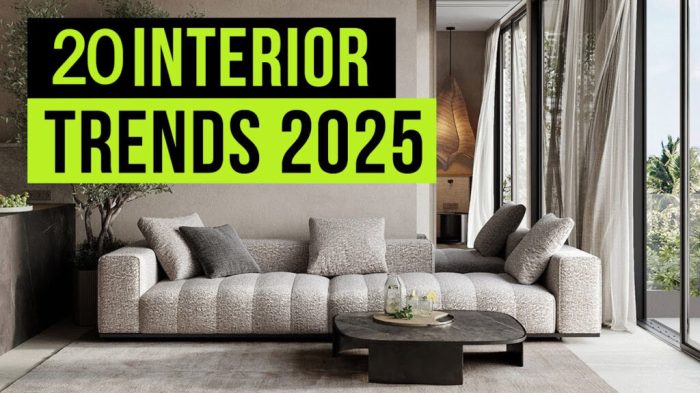
In 2025, interior design trends continue to evolve, reflecting the changing needs and preferences of homeowners. From sustainable practices to innovative design concepts, the industry is witnessing a shift towards more modern and functional spaces.
Top Interior Design Trends in 2025
- Biophilic Design: Bringing nature indoors is a key trend, with an emphasis on natural materials, greenery, and ample natural light to create a calming and rejuvenating environment.
- Minimalism with a Twist: Minimalist designs are still popular, but with a twist of personality through unique art pieces, bold colors, or statement furniture.
- Flexible Spaces: With the rise of remote work, flexible layouts that can easily transform from living to workspace are in demand.
Innovative Design Concepts
- Smart Home Technology: Integration of smart devices for lighting, temperature control, and entertainment systems is becoming more prevalent, enhancing convenience and efficiency.
- 3D Printing: Customizable furniture and decor pieces created through 3D printing are pushing the boundaries of design possibilities.
- Mixed Materials: Combining different textures and finishes like metal, wood, and glass adds depth and visual interest to interiors.
Sustainability in Modern Interior Design
- Recycled Materials: Designers are incorporating recycled and upcycled materials into their projects to reduce waste and promote sustainability.
- Energy-Efficient Lighting: LED lighting and other energy-efficient fixtures are being used to minimize electricity consumption and lower environmental impact.
- Eco-Friendly Fabrics: Sustainable fabrics made from organic materials like cotton, linen, and bamboo are gaining popularity for upholstery and drapery.
Role of Technology in Interior Design
- Virtual Reality: Designers are using VR technology to create realistic 3D visualizations of spaces, allowing clients to experience the design before implementation.
- Artificial Intelligence: AI tools are being used for space planning, furniture selection, and color coordination to streamline the design process and enhance accuracy.
- Online Design Platforms: Digital platforms that connect clients with designers remotely are making interior design services more accessible and convenient.
Materials and Textures
The use of materials and textures plays a crucial role in shaping the overall look and feel of interior spaces. In 2025, interior designers are expected to focus on sustainable materials, innovative alternatives, and incorporating textures to create unique design elements.
Sustainable Materials in Interior Design
Interior designers are increasingly turning to sustainable materials to reduce the environmental impact of their projects. Materials such as reclaimed wood, bamboo, cork, and recycled glass are gaining popularity for their eco-friendly properties. These materials not only add a touch of uniqueness to the space but also contribute to a greener and more sustainable future.
Impact of Biophilic Design
Biophilic design, which focuses on incorporating elements of nature into interior spaces, is set to make a significant impact in 2025. From living green walls to natural light sources, biophilic design aims to create a connection between humans and the natural environment.
This approach not only enhances the aesthetics of a space but also promotes health and well-being.
Traditional Materials vs. Innovative Alternatives
While traditional materials like wood, stone, and metal have always been staples in interior design, designers are now exploring innovative alternatives to create a more modern and dynamic look. Materials like 3D-printed concrete, recycled plastics, and bio-based textiles are being used to push the boundaries of design and offer fresh perspectives to interior spaces.
Textures for Unique Design Elements
Textures are being used creatively to add depth and visual interest to interior design. From rough and tactile surfaces to smooth and glossy finishes, textures play a key role in creating a multi-dimensional space. Designers are experimenting with a variety of textures, such as velvet, leather, and concrete, to create unique and visually appealing design elements.
Color Palettes and Patterns
In 2025, interior design color palettes are expected to embrace a mix of soothing and vibrant tones, creating a sense of balance and harmony in living spaces. The role of patterns will be crucial in adding visual interest and texture to the overall design scheme.
Popular Color Schemes
- Earth Tones: Shades of terracotta, olive green, and sandy beige will dominate interiors, bringing a sense of grounding and connection to nature.
- Soft Pastels: Soft blues, blush pinks, and mint greens will add a touch of serenity and freshness to rooms, perfect for creating a calming atmosphere.
- Bold Jewel Tones: Rich hues like emerald green, sapphire blue, and amethyst purple will be used to add drama and sophistication to spaces, creating a luxurious feel.
Role of Patterns
Patterns will play a key role in adding depth and dimension to interior design in 2025. From geometric shapes to floral motifs, patterns can be incorporated through textiles, wallpapers, and artwork to create a dynamic and visually appealing space.
Color Psychology Influence
Color psychology will continue to influence design choices, with each color evoking different emotions and moods. For example, blues and greens are known for their calming effects, while yellows and oranges can bring warmth and energy to a room. Designers will use this knowledge to create spaces that cater to the specific needs and preferences of the occupants.
Combining Colors and Patterns
Designers are increasingly combining colors and patterns to achieve a modern aesthetic that is both cohesive and visually striking. Mixing and matching different patterns, textures, and colors can add depth and personality to a room, creating a unique and curated look that reflects the homeowner's style and personality.
Furniture and Layouts
As we look forward to 2025, the trends in furniture design are expected to focus on innovation, functionality, and sustainability. Let's explore how furniture and layouts will shape interior spaces in the upcoming years.
Flexible and Multifunctional Furniture
Flexible and multifunctional furniture will continue to gain popularity in 2025 as people seek versatile and space-saving solutions for their homes. Pieces that can serve multiple purposes, such as sofa beds, storage ottomans, and extendable dining tables, will be key in maximizing the use of space.
Open Floor Plans and Interior Layouts
Open floor plans have become increasingly popular in modern homes, blurring the lines between living, dining, and kitchen areas. In 2025, we can expect this trend to continue, creating seamless transitions between different zones within a space. This layout fosters a sense of connectivity and allows for better flow and natural light throughout the home.
Enhancing Functionality with Furniture Arrangements
The way furniture is arranged can significantly impact the functionality of a space. In 2025, we will see a focus on creating flexible layouts that can easily adapt to different needs and activities. For example, modular furniture systems that can be rearranged to accommodate various functions, such as workspaces, lounging areas, or dining spaces, will be in high demand.
Closure
In conclusion, the landscape of interior design in 2025 is a tapestry of creativity, sustainability, and technological advancements. It is a fusion of tradition and innovation, where every color, texture, and piece of furniture tells a story of modernity and style.
Embrace these trends, and witness the evolution of design unfold before your eyes.
Key Questions Answered
What are the top interior design trends in 2025?
The top interior design trends in 2025 include innovative concepts, sustainable materials, biophilic design, and the integration of technology.
How do color palettes and patterns influence interior design in 2025?
Color palettes and patterns play a significant role in creating visual interest and influencing design choices in 2025. They are often combined to achieve a modern aesthetic.
Why is flexible and multifunctional furniture important in 2025?
Flexible and multifunctional furniture is crucial in 2025 to adapt to changing needs and optimize space utilization in interior design.