Delving into Unity Temple by Frank Lloyd Wright: Architectural Highlights, this introduction immerses readers in a unique and compelling narrative, with a casual formal language style that is both engaging and thought-provoking from the very first sentence.
Unity Temple by Frank Lloyd Wright is a masterpiece of modern architecture that showcases his distinct style and innovative design principles. From its architectural style to design elements and historical significance, this iconic building continues to captivate visitors with its timeless appeal.
Architectural Style
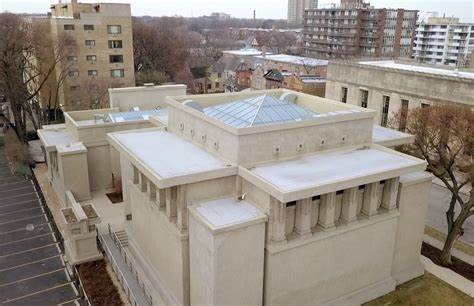
Unity Temple by Frank Lloyd Wright is a prime example of his pioneering architectural style, known as Prairie School. This style embraces the use of horizontal lines, flat or hipped roofs with overhanging eaves, and an integration of the structure into the surrounding landscape.
Unique Features
- Horizontal Emphasis: Wright's architectural style focuses on horizontal lines that emphasize the natural landscape and create a sense of unity with the environment.
- Geometric Abstraction: Unity Temple showcases Wright's use of geometric shapes and forms, such as squares and rectangles, to create a harmonious and balanced composition.
- Open Floor Plan: One of the distinctive features of Wright's style is the open floor plan, which allows for a seamless flow between interior spaces and blurs the distinction between indoors and outdoors.
Modern Architecture Principles
Unity Temple exemplifies modern architecture principles through its emphasis on functionality, simplicity, and the use of innovative materials. Wright's design prioritizes the needs of the users while incorporating cutting-edge construction techniques and materials of the time.
Design Elements
Unity Temple, designed by Frank Lloyd Wright, showcases several unique design elements that set it apart from traditional architectural styles of its time.Concrete plays a significant role in the construction of Unity Temple. Wright opted to use reinforced concrete for the building's structure, allowing for large, uninterrupted interior spaces without the need for supporting columns.
This choice not only contributed to the building's modern aesthetic but also demonstrated Wright's innovative approach to architectural design.
Incorporation of Natural Light
One of the most striking design elements of Unity Temple is the incorporation of natural light. Wright strategically placed clerestory windows and skylights throughout the building to allow sunlight to filter in, creating a warm and inviting atmosphere. The use of natural light not only illuminates the interior spaces but also highlights the texture and colors of the exposed concrete walls, adding depth and visual interest to the architecture
.
Spatial Layout
Unity Temple, designed by Frank Lloyd Wright, showcases a revolutionary spatial layout that redefines the relationship between interior and exterior spaces. Wright's innovative approach to space utilization can be observed throughout the temple, highlighting his mastery in architectural design.
Utilization of Space
Frank Lloyd Wright strategically utilized space in Unity Temple to create a sense of harmony and interconnectedness. The open floor plan, characterized by interconnected rooms and flowing spaces, allows for seamless movement within the temple. This design choice not only enhances the overall spatial experience but also promotes a sense of unity and community among visitors.
Interior-Exterior Relationship
The relationship between interior and exterior spaces within Unity Temple is a key aspect of Wright's design philosophy. By incorporating elements such as skylights, clerestory windows, and open courtyards, Wright blurs the boundaries between inside and outside, creating a seamless transition between the two.
This integration of interior and exterior spaces not only enhances natural light and ventilation but also fosters a deeper connection with the surrounding environment.
Historical Context
Unity Temple, designed by Frank Lloyd Wright, was constructed between 1905 and 1908 in Oak Park, Illinois. This period marked a time of transition in American architecture, moving away from traditional styles towards more innovative and modern designs.
Importance in Architectural History
- Unity Temple is considered one of the first modern buildings in the United States, showcasing Wright's revolutionary approach to architecture.
- Its use of reinforced concrete and open floor plan challenged conventional design norms of the time.
- The building's emphasis on natural light and geometric forms set a new standard for architectural aesthetics.
Cultural and Social Values
Unity Temple reflects the cultural and social values of the early 20th century, emphasizing simplicity, functionality, and unity. The building's innovative design aimed to create a space that fostered community and spiritual growth.
Closing Summary
In conclusion, Unity Temple by Frank Lloyd Wright stands as a testament to the genius of one of the most renowned architects in history. Its architectural highlights, design elements, and historical context combine to create a truly remarkable structure that transcends time and inspires all who encounter it.
Question & Answer Hub
What is the architectural style of Unity Temple by Frank Lloyd Wright?
The architectural style of Unity Temple by Frank Lloyd Wright is known for its innovative use of geometric shapes, cantilevered roofs, and integration with nature.
Why is concrete significant in the construction of Unity Temple?
Concrete played a crucial role in the construction of Unity Temple as it allowed for Wright to create the building's unique geometric forms and open interior spaces.
How did Frank Lloyd Wright utilize space in the design of Unity Temple?
Frank Lloyd Wright utilized space in Unity Temple by focusing on open floor plans, natural light, and a seamless integration of interior and exterior spaces.
What is the historical importance of Unity Temple in the United States?
Unity Temple holds significant historical importance in the United States as one of the first modern buildings to break away from traditional architectural norms.